
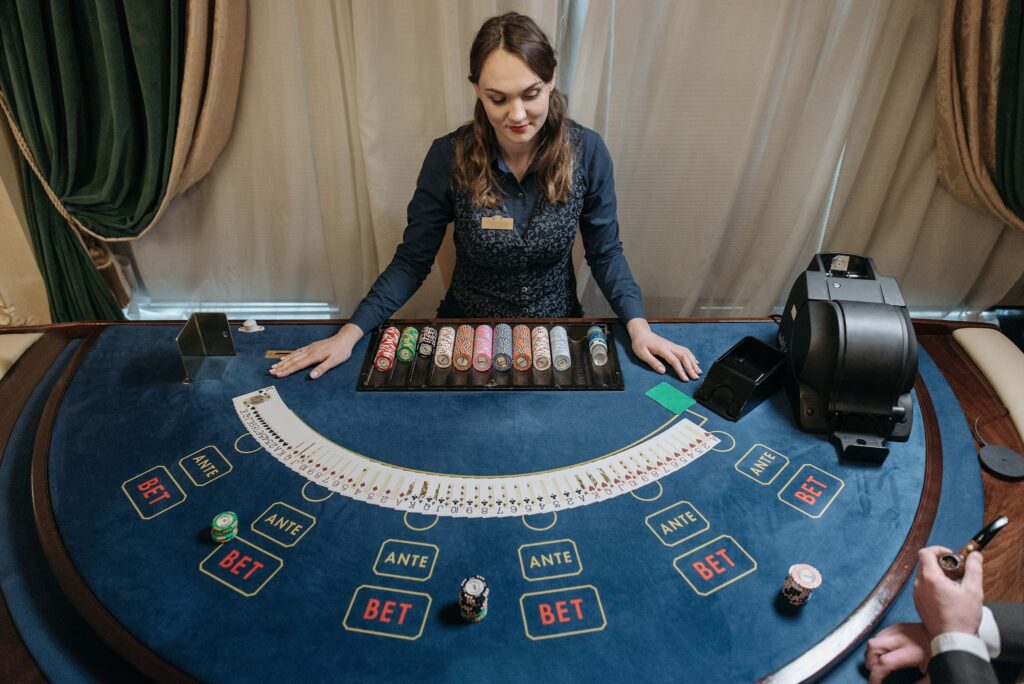
A live casino table can look surprisingly close to a physical casino game when it first loads. There is a real dealer on screen, cards or a roulette wheel in view and a betting area built into the interface. What is less obvious is how all of those elements work together for someone joining remotely.
Live casino gaming has become a popular activity in the UK. In fact, a 2024 survey by the Gambling Commission reported that Live Roulette was the second-most frequently played online (non-slot) casino game. Additionally, the study showed that 29% of the 617 respondents had spent money on live roulette during the previous 12 months, while 27% had done so on live blackjack. However, even though this format is gaining more popularity with online players, some players are still skeptical about what actually happens there.
For a first-timer, a live table can still raise practical questions. Where does the bet go? How does the software know which card was dealt? Is the dealer actually responding to people online? Knowing how live casino works helps remove much of the uncertainty around that first visit. The process is fairly structured once the roles of the dealer, the software and the player become clear.
The table may already be in play when you join
One of the first things a newcomer may notice is that a live table does not necessarily begin when they enter. The game may already be in progress, with the dealer completing a hand or preparing for the next round while new players connect in the background.
That is because a live table operates more like an ongoing broadcast than a private game session. The dealer keeps the action moving whether one player joins or several leave. New arrivals simply enter the table at the point the game has reached and wait for the next opportunity to participate.
A blackjack table offers a good example. A player might open the stream just as the dealer is revealing the final card of the current hand. The controls for placing a bet will remain inactive until that round ends. Once the next betting window opens, the interface becomes available, and the player can make a selection before the countdown expires.
Roulette works in much the same way. If someone joins a live session at https://www.pubcasino.co.uk/en/livecasino when the wheel is already spinning, they will usually have to wait until the result has been confirmed and a new betting period begins. The table itself does not reset simply because another player has arrived.
This continuous flow is an important part of how live casino works. The physical game runs according to the dealer’s sequence, while the software determines when each connected player can interact with it. The result is a shared table where people can enter at different moments without interrupting the action.
How live casino works behind the screen
The basic technology is relatively straightforward from the player’s perspective.
A camera carries the studio action to the player’s device while casino software manages the interaction between the account and the table. At a roulette table, for example, a dealer physically spins the wheel. The result of that physical event is then communicated through the casino system and displayed on the player’s screen.
Blackjack follows a similar principle. The cards exist at the studio table rather than appearing only as computer animation.
The distinction matters because a live casino is not simply a video placed on top of an ordinary digital casino game. Actually, Evolution’s 2025 Annual Report explains that a live casino platform brings together hardware, software, video and user data within the same technical system. The company also reported 99.90% system availability in 2025, illustrating the level of technical infrastructure needed to keep these systems running continuously.
The video stream and gaming system have to remain synchronized so that the player’s actions correspond with what is happening at the physical table.
In Great Britain, the Gambling Commission specifically treats live dealer studios as part of its remote gambling technical framework. Its RTS 17 standard states that live dealer operations must be fair and independently auditable.
That regulatory requirement gives some indication of how much infrastructure sits behind what appears to be a relatively simple video window.
Timing becomes part of the experience
One of the first things a newcomer is likely to notice is that a live table follows its own pace.
At a standard digital table game, pressing a button can often trigger the next stage immediately. However, a live game has to follow the movement of the dealer and the physical equipment being used.
Imagine a roulette round. The betting period opens while the dealer prepares the wheel. Players connected to the table make their choices through their screens. When betting closes, the physical spin continues until the ball settles.
The player does not control how quickly the physical event finishes.
This means the countdown shown on screen is more than a visual extra. It connects the online interface with the timetable of the live studio. The Gambling Commission’s technical rules also recognize that timing can matter in remote gambling. Where response speed could significantly affect a customer’s chance of winning, operators must assess the technical implications and take reasonable steps to address them.
For a first visit, watching one round before participating can make this rhythm immediately understandable.
The dealer is not running a private call
Seeing a real dealer on screen can make a live casino table feel surprisingly personal at first. The dealer may greet players as they join and respond to messages through the chat box, which can create the impression of a direct video interaction. In practice, the setup is closer to a shared broadcast than a private call.
The dealer is managing a physical table that can be viewed by several players at the same time. Each person interacts with the game through their own account, but the dealer remains focused on running the table itself. That means keeping the round moving, handling the cards or other equipment and making sure the sequence of play follows the rules of the game.
A typical blackjack table shows how this works. One player might join just as the dealer is finishing a hand, while another may leave before the next round begins. The dealer does not stop the session to acknowledge every arrival or departure. Instead, the table continues running and the software manages who is connected at any given moment.
Chat adds another layer to the experience. Depending on the provider, players may be able to send short messages that appear on the dealer’s screen. The dealer can respond when the flow of the game allows, but that interaction sits alongside the main task of running the physical table. It is closer to a presenter responding to viewers during a livestream than a host speaking privately with one guest.
The technology behind the table keeps those interactions organized. While several people may be watching the same dealer and following the same physical result, each player’s wagers and account activity remain separate within the platform. The shared part is the live event itself. The personal part happens through the digital interface attached to each account.
The first visit is mostly about learning the flow
For someone trying to understand how live casino works, there is no complicated mystery behind the first few minutes. A live table combines a physical game with a remote digital interface. The dealer handles what happens in the studio while the casino system handles the player’s interaction with that game.
The easiest way to understand the format is often to watch a round from beginning to end. The betting window opens. The physical game proceeds and the interface reflects the outcome.
After that first cycle, the technology becomes much less noticeable. What initially looks like several different systems on one screen starts to make sense as a single connected experience.