
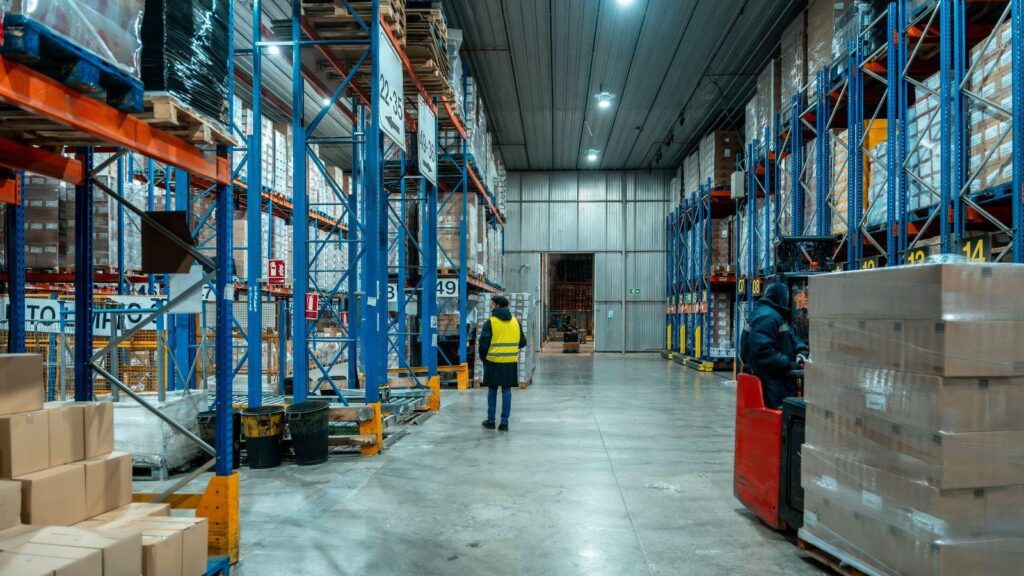
Storage facilities look simple from the outside, yet the investment behind them requires careful planning. Location, structure, and long-term usability all affect returns. Many investors focus only on demand and pricing. That approach misses key details that shape operating costs and customer satisfaction. This article breaks down what truly matters before committing funds. Each section highlights one factor that influences performance and durability. The goal is to help you make a confident decision with fewer surprises later.
Many investors begin by reviewing options such as steel storage units to understand how modern facilities are built. Storage demand continues to grow, but structure quality and planning determine long-term success. The sections below explain what to evaluate before moving forward, from site selection to daily operations.
Location and Site Accessibility
Location affects both occupancy rates and operating ease. A visible site near residential or commercial zones attracts steady demand. Access roads must support delivery vehicles and customer traffic.
Site layout matters as much as address. Flat land reduces preparation costs. Drainage patterns protect the structure over time. Adequate entry and exit points prevent congestion. A well-chosen site supports smooth operations and reduces long-term maintenance concerns.
Building Structure and Material Choice
The building itself shapes durability and upkeep costs. Steel structures provide consistent strength and resist wear from daily use. Interior layouts remain open without interior columns.
Material choice also affects lifespan. Steel resists pests and moisture damage better than many alternatives. When investors compare steel storage units later, structural reliability becomes a deciding factor. Strong materials protect assets and reduce repair frequency over time.
Unit Size Mix and Layout Planning
Customer needs vary. Some renters need small units. Others require large spaces. A balanced size mix improves occupancy rates.
Layout planning supports efficient movement. Wide drive lanes help vehicle access. Clear sightlines improve safety. Proper spacing allows doors to open without obstruction. A thoughtful layout improves customer experience while helping staff manage the facility with ease.
Security and Operational Features
Security builds trust. Well-lit areas discourage unauthorized access. Controlled entry systems add protection.
Operational features also matter. Office placement affects visibility. Drainage systems protect units during storms. Ventilation helps control interior conditions. These elements support daily management without constant oversight. A secure, well-organized facility attracts long-term renters and reduces turnover.
Long-Term Value and Expansion Potential
Investments should allow growth. Storage demand can increase as nearby development expands. Buildings should support future additions without redesign.
Consider long-term adaptability through the following points.
- Unit reconfiguration options support changing customer demand.
- Structural capacity allows additional rows or phases.
- Layout spacing supports future access routes.
Planning for growth protects value and reduces future disruption. A facility that adapts remains competitive over time.
Investing in a storage facility building requires more than demand analysis. Location sets visibility and access. Structure quality protects assets. Smart layouts improve daily use. Security supports trust. Expansion planning protects long-term value. When these factors align, the investment feels stable rather than reactive. Careful planning from the start helps create a facility that performs well, stays efficient, and supports steady returns without constant adjustments or unexpected costs.