

In recent years, the world of audio entertainment has experienced a remarkable transformation, driven by advancements in technology. Among the many innovations, soundbars have emerged as a key player in modern home audio systems.
Combining convenience with high-quality sound, they cater to enthusiasts seeking immersive audio experiences without the complexity of elaborate speaker setups. This article delves into the evolution of soundbars and their growing significance in contemporary audio entertainment.
The Rise of Compact Audio Solutions
Soundbars have changed the way we approach home audio. Traditionally, achieving rich and immersive sound required bulky systems with multiple speakers spread across a room. The arrival of soundbars introduced a compact and elegant alternative.
These sleek devices deliver exceptional sound quality while blending seamlessly into a variety of home interiors. Their minimalist design minimises clutter, offering a modern aesthetic that complements contemporary living spaces.
The increasing popularity of soundbars has also been driven by advancements in audio engineering. Modern devices are capable of simulating surround sound effects that previously required multi-speaker setups. By providing a simplified yet effective audio solution, soundbars appeal to consumers who value both convenience and high-fidelity sound.
Technological Advancements in Soundbars
The appeal of soundbars extends beyond their compact design. Advanced audio technologies embedded in these devices elevate them to a new level of performance. Sophisticated processing techniques, such as psychoacoustic sound engineering, create the illusion of three-dimensional sound, immersing listeners in a rich auditory environment.
Integration with cutting-edge formats like Dolby Atmos and DTS:X further enhances their capabilities.
These technologies enable sound to move dynamically in a three-dimensional space, delivering a cinema-like experience at home. Such innovations ensure that soundbars do more than reproduce audio—they transform listening into a fully immersive sensory experience.
Seamless Connectivity and Integration
In today’s wireless world, connectivity is a key feature for any audio device. Soundbars have successfully incorporated wireless options such as Bluetooth and Wi-Fi, allowing seamless integration with a wide range of devices. This enables users to stream music, podcasts, or movies directly from smartphones, tablets, or other gadgets without hassle.
Additionally, many modern soundbars support voice-controlled operation via digital assistants such as Alexa, Google Assistant, and Siri.
This hands-free functionality allows users to adjust volume, switch inputs, or control playback with simple voice commands. These features offer a level of convenience and flexibility that aligns with the demands of fast-paced, modern lifestyles.
Versatility in Application
Soundbars are not limited to home entertainment. They have found applications in professional and outdoor settings as well. In office environments, they enhance audio quality for presentations and video conferences, ensuring clear and effective communication.
Their ability to perform in varied acoustic conditions makes them ideal for business needs.
Portable soundbar models are also gaining popularity among travellers and outdoor enthusiasts. Compact yet durable designs ensure consistent sound quality, whether used in a campsite, on a road trip, or at outdoor gatherings.
This adaptability highlights the broad utility of soundbars and cements their status as versatile audio devices suitable for multiple environments.
Soundbars as a Catalyst for Smart Home Integration
Within smart home ecosystems, soundbars play a pivotal role. Serving as central hubs, they connect and synchronise with other smart devices, facilitating streamlined control over home environments. Advanced models can interact with appliances, lighting, and security systems, creating a cohesive and responsive smart home experience.
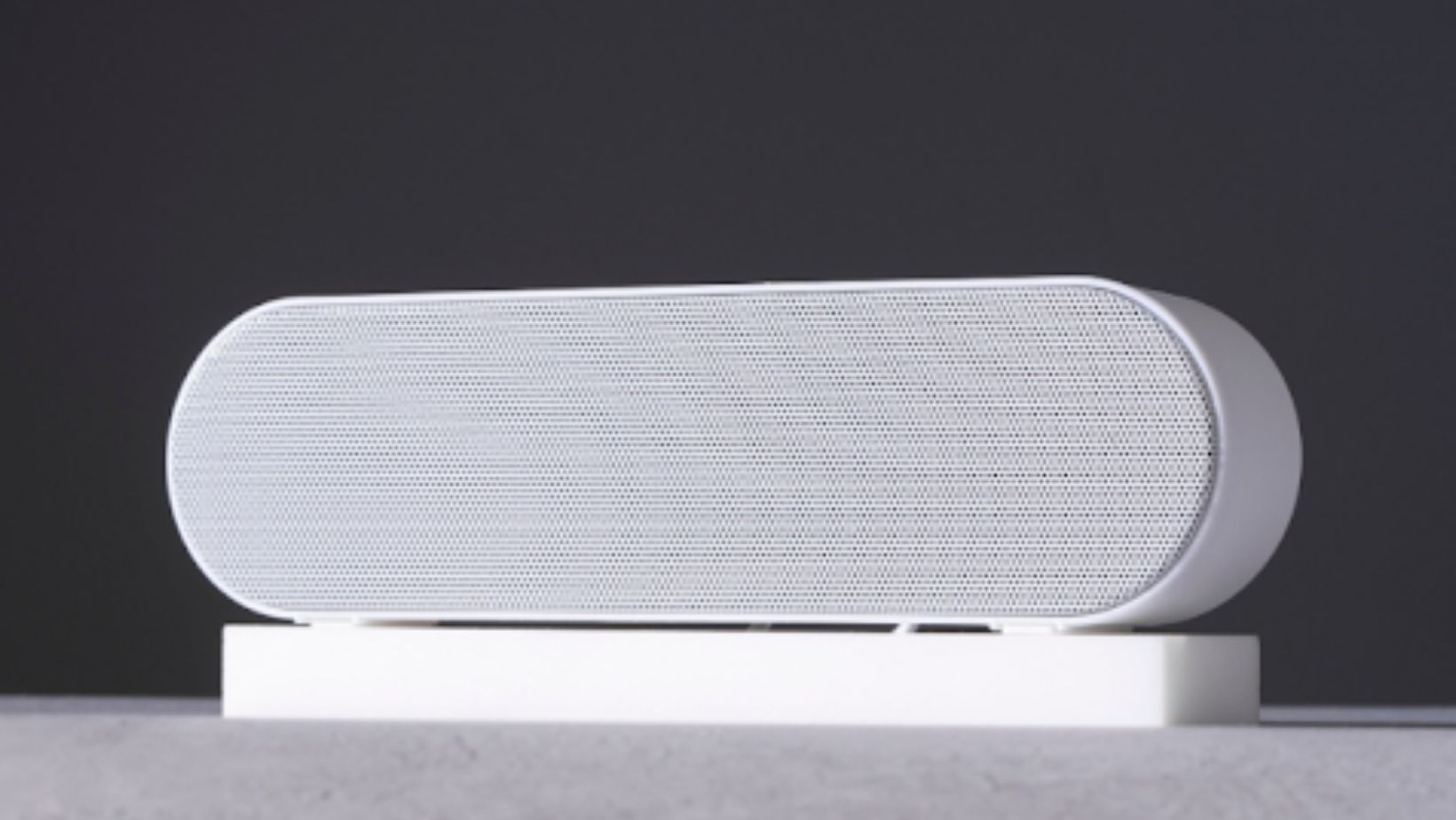
By acting as a unified interface for multiple devices, soundbars simplify user interaction and promote efficient resource management. As homes become increasingly automated, the role of soundbars in creating interconnected ecosystems is expected to expand, underscoring their potential as essential components of the modern smart home.
Future Prospects and Innovations
Looking ahead, the evolution of soundbars promises further technological advancements. Manufacturers are exploring ways to enhance audio fidelity, pushing the limits of what these compact devices can achieve. Artificial intelligence is being applied to optimise sound in real-time, adapting output to user preferences and ambient conditions for a personalised listening experience.
Sustainability is also emerging as a priority. Eco-friendly materials and environmentally responsible production processes are being integrated into soundbar design. By adopting these practices, manufacturers aim to deliver high-performing audio devices while minimising ecological impact.
Conclusion
The rise of soundbars marks a significant shift in audio entertainment, reflecting a preference for solutions that combine convenience with technological sophistication. Their ability to deliver immersive soundscapes, compact designs, and versatile connectivity has solidified their place in modern homes and beyond.
As innovation continues, soundbars are poised to redefine how people experience sound, offering exciting opportunities to enhance audio experiences across a variety of settings.