
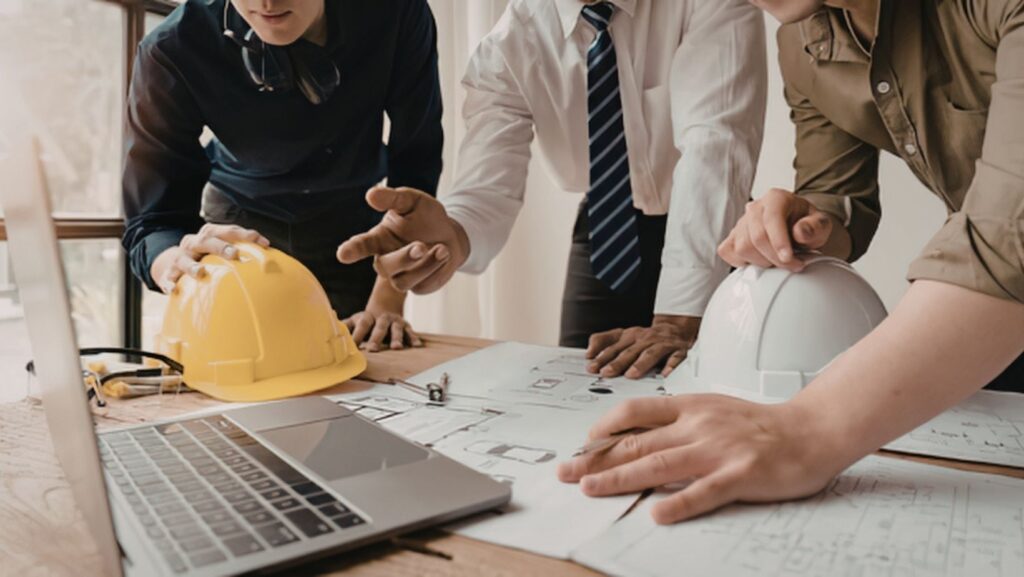
In recent years, Artificial Intelligence (AI) has revolutionized industries across the board, and the construction sector is no exception. AI technologies have started playing a crucial role in enhancing efficiency and safety on construction sites. From automated machinery to predictive analytics, AI is making a noticeable impact on construction workflows.
Improving Efficiency with AI-Driven Tools
AI tools are helping construction teams optimize their processes and reduce time spent on manual tasks. One of the most notable ways AI has been integrated into construction is through AI-driven design and planning tools. These systems use machine learning algorithms to analyze data, allowing for faster and more accurate project planning. They can predict potential issues and suggest modifications before construction begins, saving time and resources.
Moreover, AI can automate tasks such as scheduling, procurement, and material management. By integrating AI with construction management software, teams can ensure that the right materials are delivered at the right time, reducing delays caused by supply chain issues. AI-powered robots and machinery, such as bricklaying robots or 3D printers, also significantly increase the speed of construction while minimizing human error.
Enhancing Safety on Construction Sites
Safety is always a top priority on construction sites, and AI is proving to be a valuable asset in mitigating risks. AI-powered cameras and sensors are being used to monitor construction workers’ movements and detect potential hazards in real-time. For instance, AI-driven surveillance systems can detect unsafe behaviors, such as workers not wearing helmets or protective gear, and immediately alert supervisors to intervene.
Additionally, AI can assist with predictive safety by analyzing past accident data and identifying high-risk areas or tasks that require extra attention. Construction teams can then implement targeted safety measures, improving the overall safety culture on-site. AI tools can also provide real-time updates on weather conditions, further helping teams avoid working in dangerous environments during extreme weather events.
Streamlining Underground Utilities Detection with AI-Powered GPR Scanning
One area where AI has had a significant impact is underground utilities detection, particularly through Ground Penetrating Radar (GPR) scanning technology. Traditionally, detecting underground utilities such as pipes and cables involved manual methods, which were time-consuming and prone to human error. However, with the integration of AI, GPR scanners now provide real-time, high-precision imaging of subsurface utilities, enhancing the accuracy of underground scans.
AI algorithms analyze the data collected by GPR scanners, making it possible to detect even the smallest underground obstacles and avoid costly mistakes during excavation. By automating the detection and analysis of subsurface utilities, construction teams can work faster and with more confidence, reducing the risk of hitting utilities and causing delays or safety hazards. This technology ensures that workers can carry out excavation and construction tasks with a greater understanding of what lies beneath the surface, enhancing overall safety.
AI for Better Project Management and Coordination
AI is also transforming how construction projects are managed. Traditional project management often involves juggling multiple tasks and data points, which can lead to inefficiencies and delays. AI helps streamline project management by integrating various systems and providing actionable insights in real-time. AI algorithms can analyze historical data from previous projects, helping project managers make better decisions about timelines and resource allocation.
AI-powered platforms also assist with communication and collaboration between contractors and clients. These platforms allow for seamless sharing of project updates and progress reports, ensuring that everyone involved is on the same page. By reducing the risk of miscommunication and improving collaboration, AI helps teams meet project milestones and deliver on time.
The Future of AI in Construction
As AI continues to evolve, its role in construction will only grow stronger. With advancements in automation, safety, and project management, AI is helping construction teams work faster and safer. From underground utility detection using GPR scanning to real-time safety monitoring, AI technologies are reshaping the way construction projects are completed. The future of construction looks brighter and more efficient, with AI leading the charge.