
Home remodeling used to start with a tape measure, a notebook, and a few magazine clippings. Today, the process is very different. Homeowners can now use digital tools to compare designs, research materials, plan budgets, save inspiration, and understand what they want before speaking with a contractor.
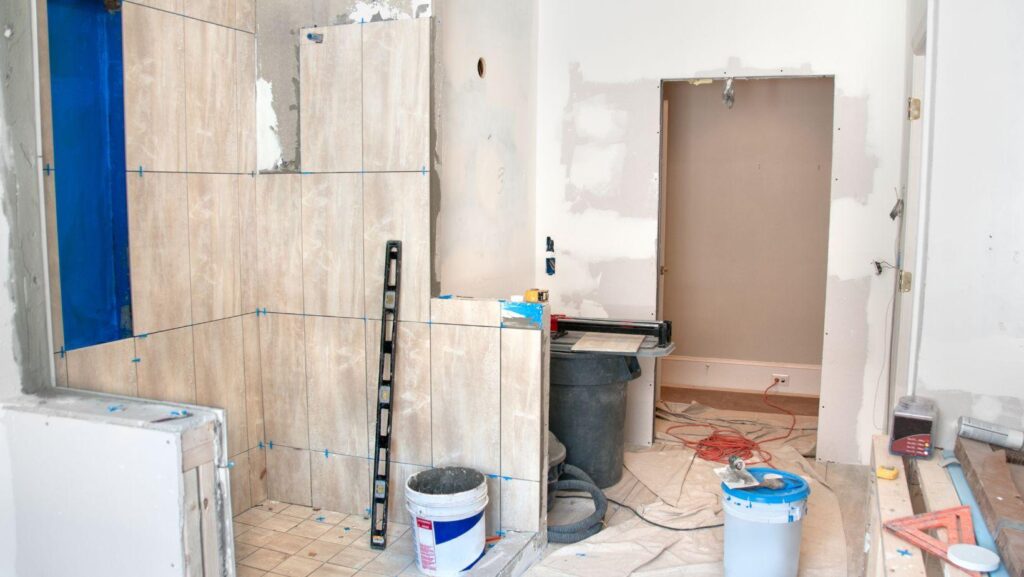
This is especially helpful for bathroom remodels. Bathrooms are small compared to kitchens or living rooms, but they are complicated. A bathroom project can involve plumbing, electrical work, ventilation, flooring, lighting, waterproofing, storage, fixtures, and layout changes.
Because there are so many details, good planning matters. Digital tools cannot replace professional work, but they can help homeowners make smarter decisions before the project begins.
Start With Digital Inspiration, But Stay Practical
Many homeowners begin with online photos. This is useful because it helps you understand the style you like. You might notice that you prefer walk-in showers, floating vanities, warm tile, black fixtures, natural wood, or bright white walls.
But inspiration can also become confusing. There are thousands of beautiful bathroom photos online, and not every idea works in every home. A large spa-style bathroom may not fit into a small family home. A delicate material may look good in photos but may not be practical for daily use.
The best approach is to save ideas, then sort them into two groups: design preferences and real needs.
Design preferences include color, tile style, mirror shape, and fixture finish. Real needs include better storage, safer flooring, improved ventilation, easier cleaning, and a better shower layout.
Use Online Planning Tools Before Getting Quotes
Before contacting contractors, it helps to know the basic scope of the project. Are you replacing fixtures only? Changing the layout? Removing a tub? Adding a walk-in shower? Updating plumbing? Improving lighting?
Online planning tools, checklists, and budget calculators can help you organize these questions. They make it easier to explain what you want and avoid vague conversations.
For example, if a homeowner is researching portland bathroom remodeling, they can use digital planning tools to prepare a list of must-have features before requesting estimates. This saves time for both the homeowner and the contractor.
Compare Materials With Long-Term Use in Mind
A bathroom needs materials that can handle moisture, heat, cleaning products, and daily traffic. Online research makes it easier to compare options before buying.
Homeowners can look at tile types, grout colors, vanity materials, flooring options, shower glass, mirrors, faucets, and lighting. They can also read about maintenance needs.
This matters because the cheapest or most attractive option is not always the best choice. Some materials stain easily. Others need more maintenance. Some flooring may be slippery when wet. Some vanities may not hold up well in humid spaces.
Digital research helps homeowners avoid choosing only by appearance.
Use Reviews Carefully
Online reviews can help homeowners learn more about contractors, products, and materials. But reviews should be read carefully.
A few bad reviews do not always mean a company is bad. A few perfect reviews do not always mean a company is the right fit. Look for patterns. Do customers mention communication, timelines, cleanliness, quality, and follow-up? Do reviews sound detailed and real?
The same applies to product reviews. A shower fixture may look beautiful, but if many buyers mention leaks, poor finish quality, or difficult installation, that is worth noting.
Good digital research looks for repeated signals, not just star ratings.
Think About Smart Bathroom Features
Technology is also entering the bathroom itself. Some homeowners now consider smart mirrors, motion lighting, heated floors, humidity sensors, leak detectors, smart fans, and water-saving fixtures.
Not every smart feature is necessary. The best upgrades are the ones that solve a real problem.
A humidity-sensing fan can help protect the bathroom from excess moisture. A leak detector can warn homeowners before water damage becomes serious. Motion lighting can help at night. Water-saving fixtures can reduce waste.
The goal is not to make the bathroom feel complicated. The goal is to make it safer, easier, and more efficient.
Keep Privacy and Security in Mind
Because WebToSociety often covers privacy and digital safety, it is important to mention one point many homeowners forget: connected devices need basic security.
If you use smart home devices, choose reliable brands, update software when needed, and use strong passwords. Avoid connecting unnecessary devices just because they seem modern.
A bathroom should feel private and comfortable. Technology should support that feeling, not create new problems.
Turn Online Research Into a Clear Project Brief
After saving ideas and researching options, organize everything into a simple project brief. This can include:
The main problem with the current bathroom
The preferred style
Must-have features
Nice-to-have features
Budget range
Timeline
Photos of the current bathroom
Saved inspiration images
Questions for the contractor
This makes the remodeling process smoother. It also helps contractors understand what matters most to you.
Know When to Move From Research to Action
Online tools are useful, but at some point homeowners need professional guidance. Bathrooms can hide problems behind walls and under floors. Plumbing, electrical systems, waterproofing, and ventilation should be handled properly.
If you are still comparing project ideas or looking for more home improvement information, remodeling resources can help you explore options before choosing the right next step.
Final Thoughts
Digital tools have made bathroom remodeling easier to understand. Homeowners can research styles, compare materials, check reviews, plan budgets, and prepare better questions before hiring anyone.
But technology works best when it supports good decision-making. A successful remodel still depends on clear goals, realistic planning, quality materials, and skilled professional work.
The smartest homeowners use digital tools to become more prepared, not to replace expert help. When online research and professional experience work together, the final bathroom is more likely to be practical, durable, and built for real daily life.