
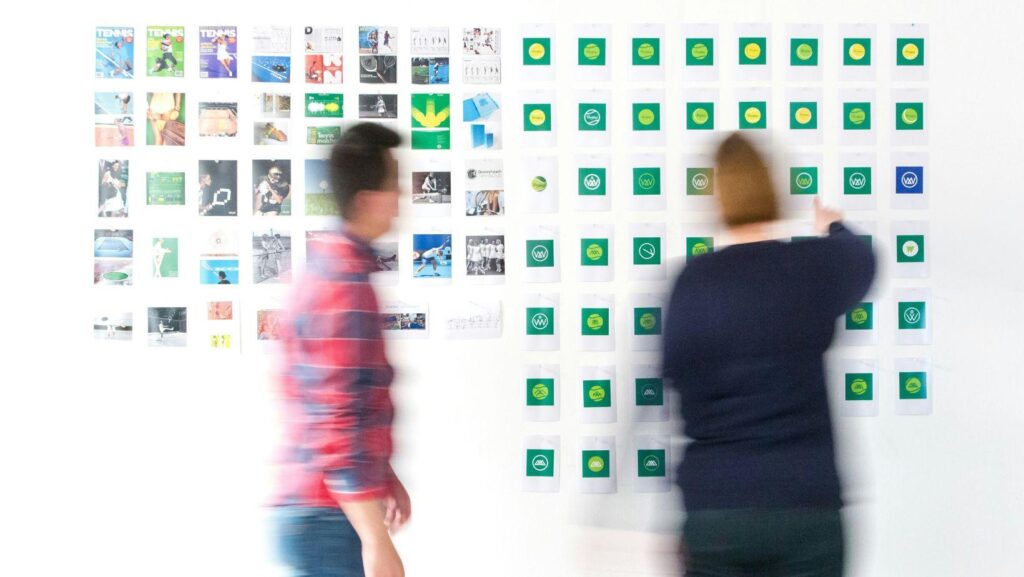
What makes a brand memorable is the colors, the motto, and the identity that remind you of it. This is why the visuals that are released by the brand are generally what we remember it by. This is what makes your images so crucial for your brand identity.
If you want the images to be perfect without a team, you must use AI, but automating images means that you may not be able to stay authentic.
So, how to ensure that you can maintain your authenticity and originality while ensuring that your brand images come out looking professional? Let’s explore how you can make your brand images look both organic and professional.
Be Clear About Your Brand’s Visual Guideline
What audiences generally remember about your brand is the overall impact it provides. What you want to be consistent in your brand’s images is cohesion. Let’s explore what that looks like.
Color Palettes
Whether you are taking photos of products, creating visuals for packaging or promotional items, your color palette needs to be stable.
Brands that are remembered have a specific color identity: you see certain colors, and you immediately think of the brand.
Like, imagine what colors you think of when you think about renowned brands like Coke, Pepsi, Maggi, etc.
This is why you need to define your brand colors. Pick a palette, choose colors that go with your brand image, and stick to it to create a cohesive color scheme.
Lighting and Composition
For any type of imagery, the lighting and composition matter a lot. Whether you prefer bright shades and high-key lighting or you like to keep things moody with dramatic shadows, every image should follow the concept to appear related to the brand.
Typography and Overlays
If there are texts in your images, you need to ensure that the font, size, and placement appear cohesive. This should be followed for every type of visual that comes out of the brand, serving as a continuity.
Subject Framing and Scale
Things like how you frame and scale the subject of your visuals should also remain consistent. If all photos follow the same visual hierarchy, they will also seem like they come from the same brand.
Be Minimalist When it Comes to Using AI
Using AI for anything beyond editing photos for your brand can be a risk. Even if you are using stock images, use an AI image detector to ensure you don’t end up using one that has been completely generated by AI.
You can consider enhancing photos with AI, but do so with caution, because you don’t want it to look specifically unnatural or automated, as the audience tends to find that unpleasant and not so easy on the eyes.
You can use it to put a filter on all your images if that’s the kind of effect you want, or you can use it for minor edits, but no more than that.
Opt For Raw Content
Using stock photos for your brand images can make you look more generic, even when it’s not AI, because, just like you, a few others also have access to it.
When something is accessible to the masses, more brands with a similar theme and concept as you will also use it. This is why it is simply better to invest in your brand photography.
This doesn’t have to be highly professional photography. Think of it more like raw, in-the -wild content. You don’t need to have a high production budget, just good lighting(hopefully natural light), a steady hand, clean framing, and a modern smartphone camera.
Raw, unadulterated content can help you capture polished and credible visuals that can help present your brand imager y in a way that aligns with your concept and story.
Imperfection Attracts Audience
We live in a world that has prioritized perfection for too long. But when a brand looks too flawless, it can feel unapproachable and cold. People want to engage with a brand that is relatable.
In the age of AI, this is particularly important because when everything can be polished and flawless to the degree of seeming unnatural, people want something that they can connect to and feel human.
You can share the messy and human side of your business. Things like sketches of the conception process, behind-the-scenes footage as promotional content, even displaying some of the failures the business has faced and how you overcame them.
Especially with imagery, it can be the candid captures, non-posed shots, moments that are authentic and show true interactions.
Matching Visuals with the Brand’s Core Values
When it comes to your brand imagery, it must align with your brand’s core values and story. You need to ask the ‘whys’. Why did you create this brand? What was the problem you were trying to solve?
Doing what you want to do differently from the rest can help you get to the imagery that aligns with your mission. Your imagery needs to align with the vision you wanted, matching the brand’s core value, because only then can you be authentic to your message.
If your visuals can reflect your brand’s unique origin, representing the core “whys” of the business’s existence.
Final Thoughts
The images that come out of your brand are a vital part of the ecosystem that works for you to make it memorable for your audience. Choosing the right color, tone, styling, font, etc, makes your brand stand out.
If, instead of using AI or stock imagery, your team produces its own brand images, creating raw, unedited visuals that not only align with the values but also show the business’s authentic side, it can work to create the presence that captivates your audience.
So, try to be as unadulterated and raw with your brand imagery while still maintaining your brand’s overall vibe, so that your present and potential customers can immediately tell which visuals belong to your brand.