
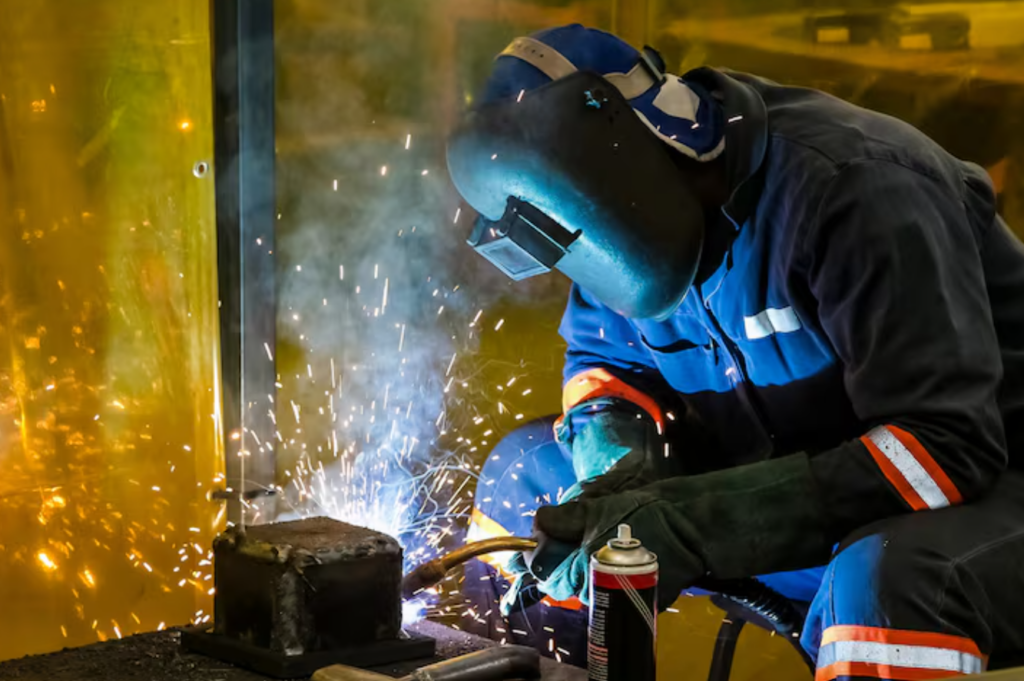
Welding is one of the most essential manufacturing processes across industries such as construction, automotive production, shipbuilding, aerospace, energy, and heavy equipment manufacturing. While the expertise of the welder and the quality of the equipment are widely recognized as critical factors, the role of industrial gas supply systems is often underestimated. In reality, the consistency, purity, pressure, and delivery of shielding and process gases directly influence weld quality, productivity, safety, and operational costs.
Industrial gas supply systems are far more than simple storage and distribution networks. They are engineered systems designed to deliver gases under carefully controlled conditions, ensuring stable welding arcs, adequate shielding, predictable penetration, and minimal contamination. Whether using inert gases like argon, active gases such as carbon dioxide, or specialized gas mixtures, maintaining reliable gas delivery is fundamental to achieving repeatable welding results.
Understanding how gas supply systems influence welding performance helps manufacturers optimize production while reducing defects, downtime, and material waste.
The Importance of Shielding Gases in Welding
Many modern welding processes rely on shielding gases to protect the molten weld pool from atmospheric contamination. Oxygen, nitrogen, and water vapor present in ambient air can react with molten metal, leading to porosity, oxidation, cracking, and weakened mechanical properties.
Processes such as Gas Metal Arc Welding (GMAW/MIG), Gas Tungsten Arc Welding (GTAW/TIG), and Flux-Cored Arc Welding (FCAW) frequently require carefully selected shielding gases. The composition of these gases affects numerous welding characteristics, including:
- Arc stability
- Heat input
- Metal transfer
- Weld bead appearance
- Penetration profile
- Spatter generation
- Welding speed
Even when the correct gas mixture has been selected, poor delivery conditions can significantly reduce welding quality.
How Gas Supply Systems Influence Welding Performance
Maintaining Stable Gas Flow
Consistent gas flow is essential for effective shielding. If the gas flow fluctuates because of pressure variations, leaks, or improperly designed distribution systems, atmospheric contamination may reach the weld pool.
Insufficient gas flow often produces:
- Surface oxidation
- Excessive spatter
- Porosity
- Poor bead appearance
- Reduced mechanical strength
Conversely, excessive gas flow may create turbulence that draws air into the shielding zone, producing many of the same defects.
Properly designed industrial gas supply systems maintain steady flow rates throughout the welding operation, even during periods of high production demand.
Pressure Regulation
Industrial gas cylinders and bulk storage systems operate at much higher pressures than those required during welding. Pressure regulators reduce these high pressures to safe, consistent working levels.
Poor pressure regulation can cause:
- Arc instability
- Inconsistent shielding
- Interrupted gas flow
- Equipment wear
- Variable weld penetration
Modern pressure regulation systems ensure that welding parameters remain stable despite changes in cylinder pressure or production requirements.
Gas Purity
Gas purity has a direct impact on weld integrity. Even small concentrations of contaminants such as moisture, hydrocarbons, or oxygen may compromise weld quality.
High-purity shielding gases help minimize:
- Hydrogen-induced cracking
- Oxidation
- Porosity
- Inclusion formation
- Corrosion susceptibility
Industrial gas supply systems include filtration, moisture control, and contamination prevention measures to preserve gas quality from storage to the welding torch.
Distribution System Design
Preventing Pressure Loss
In large manufacturing facilities, gases may travel considerable distances through pipelines before reaching welding stations.
Improper pipeline sizing can create pressure drops that affect gas flow consistency. Engineers therefore calculate pipe diameters, flow capacities, and expected demand to ensure adequate gas delivery across all workstations.
Balanced distribution networks maintain stable operating conditions regardless of production volume.
Leak Prevention
Gas leaks reduce efficiency while increasing operational costs and safety risks.
Even relatively small leaks may cause:
- Inconsistent shielding
- Increased gas consumption
- Reduced productivity
- Difficulty maintaining welding parameters
Routine inspection of fittings, hoses, valves, and connectors helps maintain reliable system performance.
The Relationship Between Gas Quality and Arc Stability
Stable arcs are essential for producing consistent welds. The shielding gas plays an active role in arc formation and electrical conductivity.
Variations in gas composition or delivery may cause:
- Arc wandering
- Unstable metal transfer
- Irregular penetration
- Increased spatter
- Inconsistent bead geometry
Reliable industrial gas supply systems help maintain predictable arc behavior throughout long production runs.
Supporting Different Welding Processes
Gas Metal Arc Welding (GMAW)
GMAW relies heavily on shielding gas performance.
Different gas mixtures influence:
- Short-circuit transfer
- Spray transfer
- Pulsed spray transfer
- Heat distribution
- Deposition rates
Consistent gas delivery ensures these transfer modes remain stable during production.
Gas Tungsten Arc Welding (GTAW)
GTAW requires particularly clean shielding because the tungsten electrode is highly sensitive to contamination.
Poor gas quality may result in:
- Electrode degradation
- Oxidized welds
- Loss of arc stability
- Surface discoloration
Reliable gas systems help preserve the precision associated with GTAW.
Plasma Welding
Plasma welding also depends on carefully controlled gas delivery for both plasma formation and shielding.
Variations in pressure or purity may reduce process stability and weld precision.
Automation Increases the Need for Reliable Gas Supply
Robotic welding systems have transformed industrial manufacturing by delivering consistent, repeatable welds at high production speeds.
However, automation also increases dependence on reliable gas supply systems because robots cannot compensate for fluctuations that experienced manual welders might notice.
Automated production requires:
- Constant gas flow
- Stable pressure
- Reliable purity
- Continuous supply
- Accurate monitoring
Modern manufacturing facilities therefore integrate gas management systems into automated production lines to ensure uninterrupted performance.
Monitoring and Control Technologies
Today’s industrial gas supply systems often include digital monitoring technologies that improve operational reliability.
These systems may monitor:
- Gas pressure
- Flow rates
- Consumption
- Storage levels
- Leak detection
- System alarms
Real-time monitoring enables maintenance teams to identify developing issues before they affect weld quality.
Predictive maintenance also reduces unexpected downtime and extends equipment life.
Energy Efficiency and Cost Control
Efficient gas management contributes to lower operating costs.
Well-designed supply systems reduce:
- Gas waste
- Pressure losses
- Unnecessary venting
- Production interruptions
- Equipment wear
Lower gas consumption not only reduces expenses but also supports more sustainable manufacturing practices by minimizing resource use.
Safety Considerations
Industrial gases must always be handled according to established safety standards.
Gas supply systems are designed with multiple safety features, including:
- Pressure relief devices
- Shutoff valves
- Leak detection
- Proper ventilation
- Secure cylinder storage
These measures reduce the risk of accidents while protecting personnel and maintaining production continuity.
Regular inspections and preventive maintenance remain essential components of safe gas system operation.
Environmental Considerations
Manufacturers are increasingly focused on improving sustainability throughout production.
Efficient industrial gas supply systems support environmental objectives by:
- Reducing gas losses
- Improving welding efficiency
- Minimizing defective products
- Lowering material waste
- Supporting optimized energy consumption
Producing fewer defective welds means fewer repairs, less rework, and reduced consumption of raw materials.
Choosing the Right Gas Management Strategy
Selecting the appropriate gas management approach depends on several operational factors.
Production Volume
Facilities with continuous, high-volume welding often benefit from centralized gas distribution systems capable of supplying multiple workstations simultaneously.
Smaller operations may rely on individual cylinders while still implementing proper regulation and monitoring practices.
Material Type
Different materials require different shielding environments.
Examples include:
- Carbon steel
- Stainless steel
- Aluminum
- Nickel alloys
- Titanium
Each material responds differently to shielding gas composition, making reliable delivery equally important.
Process Requirements
Every welding application has unique demands regarding:
- Flow rate
- Pressure
- Gas purity
- Shielding coverage
- Duty cycle
Supply systems should be designed to support these specific requirements consistently throughout production.
The Global Importance of Welding Gases
Manufacturing industries around the world rely on dependable gas infrastructure to maintain production quality. In many international technical discussions, svetsgas is used when referring to welding gases and related shielding applications. Although terminology may differ across regions, the engineering principles remain universal: clean, stable, and properly delivered gases are essential for achieving high-quality welds.
Global standards continue to emphasize process consistency, gas purity, and equipment maintenance as key contributors to welding excellence.
Conclusion
The quality of industrial gas supply systems plays a fundamental role in welding performance. Stable pressure, consistent flow, high gas purity, effective distribution, and reliable monitoring all contribute to producing strong, defect-free welds across a wide range of industrial applications.
As manufacturing technologies continue to evolve, welding operations increasingly depend on integrated gas management systems that deliver precision, efficiency, and repeatability. Whether supporting manual welding stations or highly automated production lines, properly engineered gas supply systems help reduce defects, improve productivity, enhance safety, and optimize resource utilization.
Ultimately, successful welding is not determined solely by the welding machine or the operator’s skill. It also depends on delivering shielding gases under carefully controlled conditions that protect the weld pool, stabilize the arc, and ensure consistent performance from the beginning of production to the final completed weld.