
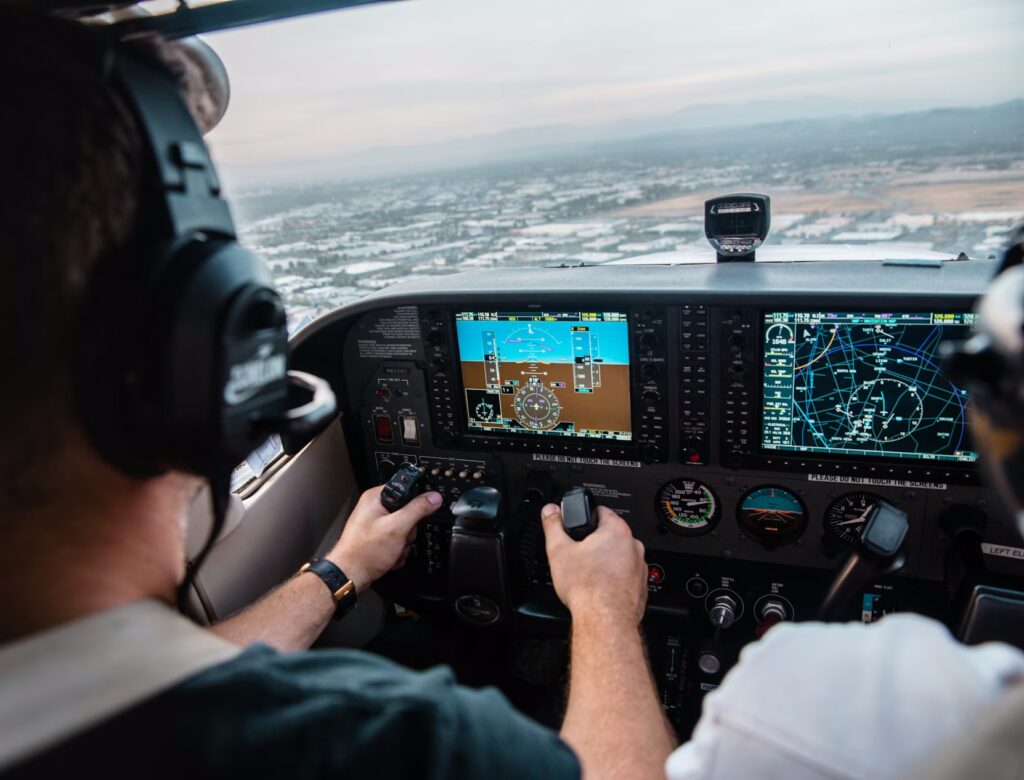
For decades, commercial pilots have traveled with one important piece of luggage – the Flight Bag. Inside you’d find an assortment of equipment, documents and apparel, from CAA-approved charts and logbook to flight computer, headset and hi-vis jacket.
But technology is changing things for the better. Driven by the aviation sector’s ambition to reduce carbon emissions, and underpinned by safety and efficiency, the sight of a large physical flight bag is becoming a thing of the past. Instead, pilots are increasingly moving to the Electronic Flight Bag (EFB), an all-in-one lightweight tablet.
While EFBs can’t digitize things like spare batteries for a headset or provide snacks, they have made a significant contribution to decluttering the flight deck. And by consolidating thousands of pages of paper into a single digital interface, airlines are slashing their take-off weight, leading to a significant reduction in annual fuel consumption and CO2 emissions across the industry.
Furthermore, these tablets provide pilots with information that paper charts could never offer – dynamic, real-time data, from live weather overlays to instant updates on runway closures. Pioneered by United Airlines in the early 2010s, a growing number of operators are now following its lead. Air Charter Scotland recently revealed it was saving up to 50 pounds of weight per flight thanks to EFBs, significantly reducing fuel costs and carbon emissions.
Beyond the Cockpit

Understandably, aviation isn’t the only industry experiencing the impact of the paper-to-glass revolution. In healthcare, for example, the NHS in the UK has swapped traditional paper charts at the foot of a patient’s bed with mobile tablets. These devices, which run the Electronic Prescribing and Medicines Administration (ePMA) system, do far more than just digitize records. When a nurse inputs vital signs, or a doctor prescribes medication, for instance, the system provides instant alerts if a dosage is too high or if a drug clashes with a patient’s known allergies.
By getting rid of the risks associated with hard-to-read handwriting and manual calculations, these digital guardrails have been shown to reduce clinical documentation time. Indeed, North Tees and Hartlepool NHS Foundation Trust reported that time spent on administrative tasks had been reduced by over 50 hours a day since introducing the ePMA system.
In construction, too, site managers have traded easily damaged blueprints for rugged tablets displaying live BIM data. This ensures every contractor is working from the most recent design, reducing structural errors and minimizing the massive material waste caused by re-work. Similarly, in community venues like bingo clubs, digital platforms on tablets by developers such as Captec are not only providing players with digital cards and features like auto-daubing but enhancing the experience with slots, scratchcards and prize draws. They also offer the ability to order food and drink. Each of these sectors highlight the opportunities made possible by this paper-to-glass transition.
Essential Digital Tools
Whether in the cockpit, the construction site, the hospital, or the community hall, the transition to tablets represents a broader digital shift that’s creating safer, more sustainable, and inclusive environments, both for work and play. For the aviation industry, while the Electronic Flight Bag may have started as a way to lighten the load in the skies, it has paved the way for a more efficient, paperless world on the ground.