
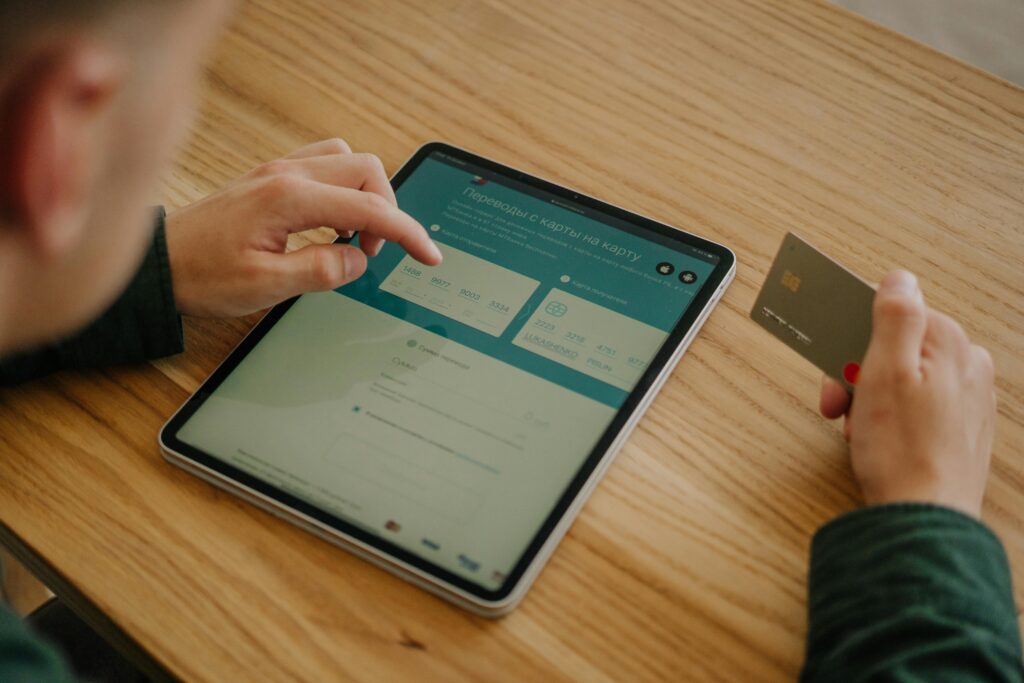
Recent research from US sites like WorldPay indicates that AI could soon have a major role to play, particularly in how transactions are made online. AI shopping agents could soon be responsible for billions in worldwide spending and for up to 7% of purchases by 2030. The premise makes perfect sense as well. Instead of browsing different websites manually, AI assistants can simply search for a product, compare the prices, and then complete the purchase on behalf of the user.
AI Foundation Set by the Evolution of Rapid Payments
AI-powered shopping habits really do show how far online payments have come. At one point, paying for something online meant waiting days for transactions to happen, with complex checkout systems that made shopping online difficult. Nowadays, payments can happen in a matter of seconds. PayPal has helped to facilitate near-instant money transfers, and marketplaces like eBay are able to process bids and payments in seconds as well.
Streaming services have also set up recurrent billing processes, where payments can be taken and cleared in a matter of minutes to ensure seamless access to online content. Faster transaction speeds can also be seen in iGaming.

UK bingo games at online platforms offer on-demand withdrawals so people can play without having to wait days for bonuses to be applied, withdrawals to be made, or deposits to process. Many bingo sites have rooms with a very low entry fee, but larger payments can also be sent online securely. Speed has really shaped the way that people interact with money online, whether someone is depositing money for digital games, withdrawing from an online wallet, or sending thousands of pounds for a house deposit.
These trends have all helped to influence agentic AI, helping to support a new frontier in digital payments while also paving the way for new and exciting advancements.
OpenAI is Experimenting with Payments
Companies such as OpenAI are already experimenting with the idea of integrated checkouts, as they allow people to purchase products directly through an AI interface. If companies like this were to partner with major payment providers, this could help to facilitate AI agents making purchases, and it could even allow the system to complete a transaction on behalf of the user.
Transaction fees are to be cut by an average of 0.5% according to US data from Digital Sales Post, and with the UK following in those footsteps, we could even see businesses keep more of their money overall. That’s why AI-driven commerce could help to make things even easier for businesses and for users.
Instant transfers and microtransactions might still be evolving, but as AI takes a bigger role, it’s only natural that the next step is to use AI for making payments, too. Most people turn to AI agents like Claude or even ChatGPT to try nd get recommendations for companies and products, and including the ability to make payments to speed up the process really does make perfect sense, especially for those who carry out most of their transactions online.