
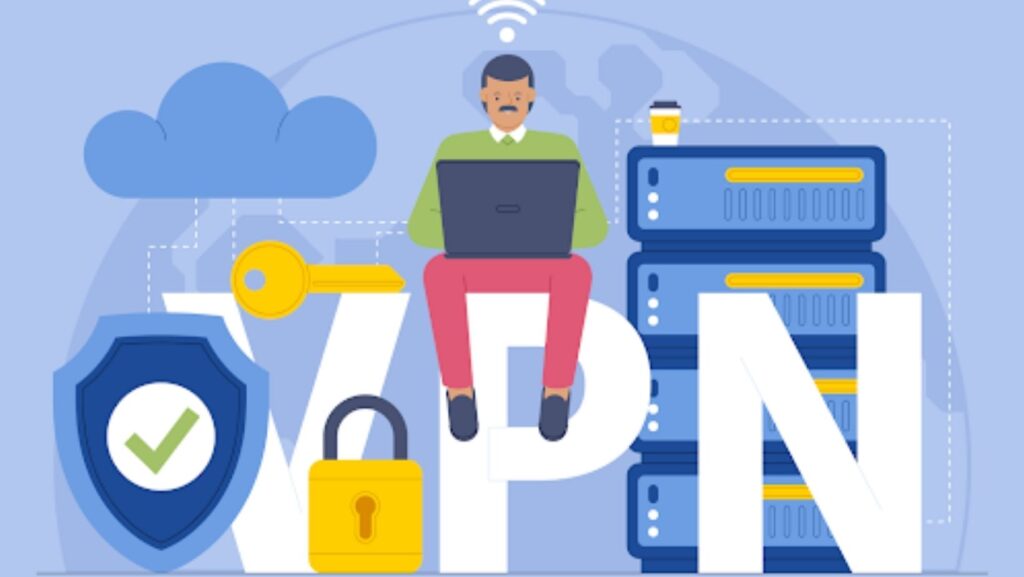
Most people know that a VPN can encrypt your online privacy and change your IP address, but only a few realize the true capabilities of VPNs in day-to-day lives. Here are seven amazing things you didn’t know a VPN could do:
Finding Cheaper Prices
Did you know airlines and hotels have different prices based on the geographic location of the search? With a virtual private network (VPN), you can leverage this and save money.
The trick is to make it appear as if you’re browsing from a different country where prices are lower. Use a VPN to change your geographic location while booking flights and hotels.
When using a Windows VPN, don’t forget to clear the cache and cookies. You should also use a travel website that matches your new location.
Preventing Bandwidth Throttling
Stuff like streaming content and gaming use a lot of bandwidth. When this happens, many internet service providers (ISPs) intentionally slow down the internet service. They do this to manage bandwidth congestion and regulate network traffic.
A VPN helps you avoid ISP throttling. When you stream using a VPN, your ISP won’t be able to see your online activity. You can watch movies and play games without major bandwidth disruption.
Protecting Smart Home Devices
Many smart devices, such as security cameras and baby monitors, have poor security. These devices often do not receive frequent software or firmware updates. This creates security holes that last for years.
A VPN is an excellent way to prevent unauthorized access. It converts all data transmitted by smart devices into an unreadable code, protecting sensitive information such as video feeds from eavesdropping.
Using a single VPN provider to cover all your smart home devices can be cost-effective.
Downloading Files Anonymously
P2P (peer-to-peer) file sharing is pretty common. People use it to share digital media, such as books, music, software, videos, or large data sets, across the network.
However, P2P sharing networks are becoming increasingly scrutinized. ISPs, too, aren’t exactly thrilled to see their customers engage in P2P activities, given the security risks — all users on the same network can see each other’s IP addresses.
This is why file-sharing websites are blocked in certain countries. ISPs also restrict access to file-sharing websites. Using a VPN is a must-follow internet safety practice. It allows you to use P2P while keeping your personal data secure. The mechanism is pretty simple: Your IP is replaced with the VPN server’s IP, and your online traffic is encrypted so no one can intercept it.
Bypassing Free Usage Limits
You’ve probably used a website that lets you access a limited number of free articles per day or per month. After that, you have to pay for a subscription.
But here’s the thing: these websites track each individual’s limit via their IP address. So if you switch IPs and open the website in a new window, your free usage package would be renewed.
Preventing DDoS Attacks While Gaming
Distributed denial-of-service (DDoS) attacks are a serious security threat in gaming. It all depends on the IP address — once a malicious actor gets hold of the gamer’s IP address, they can flood their servers with massive amounts of traffic. This can cause lag, disconnections, or total service outages.
Gaming via a virtual private network is one of the best ways to protect yourself from DDoS attacks. A VPN masks your real IP address with one from a secure server, making it difficult for attackers to target your home network directly.
Unlocking Social Media in Restricted Countries
Social media sites, such as Twitter and Facebook, are banned in certain countries. Restrictions are put in place to control what information their citizens can access. A VPN allows you to escape this censorship. You can unlock social media platforms and stay informed.