
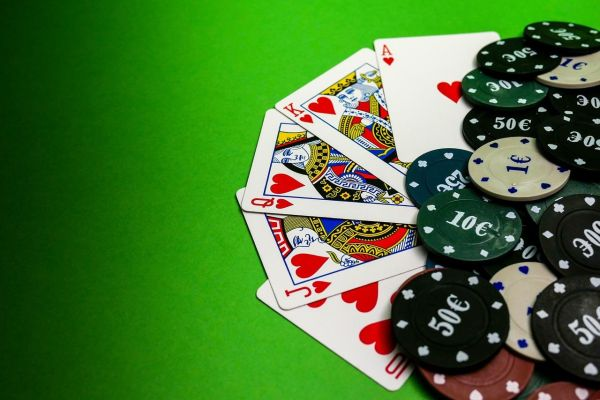
Walk into a casino and the choice becomes clear within seconds. Slot machines stretch across the floor, spinning nonstop. A few steps away, table games wait for players to sit down and follow the rhythm of cards, chips, or dice. Both options draw attention, yet they create very different experiences. Some players want speed and simplicity. Others look for structure and involvement. The difference shows itself as soon as the game begins.
How Slot Machines Actually Work
Slot machines remove almost every obstacle. You choose a bet, press the button, and watch the reels move. A random number generator decides the result before the spin finishes. Each round stands alone. Nothing carries over, and nothing changes once the spin starts. The outcome appears quickly, and the next round waits right behind it.
This ease explains why slots feel approachable. There are no rules to remember and no timing to worry about. No one waits for your decision. You can play a few spins, stop, and walk away without interrupting anything. For many players, that freedom matters.
Sit down at almost any slot machine and the setup looks familiar:
- Odds set directly inside the software
- Player input limited to bet size
- Rounds that last only a few seconds
- Small wins appearing far more often than large ones
Because spins follow one another so quickly, sessions can blend together. Wins and losses appear with little space between them. Some players find this pace comfortable. Others notice the intensity only after standing up.
When players talk about slots informally, the phrase spin ania sometimes appears to describe how easy it is to keep spinning without noticing time pass. It is not a technical term. It reflects how players experience the speed of play.
What Changes at Table Games
Table games change the pace almost immediately. The moment you sit down, everything slows. Cards are dealt. Bets go on the table. Players wait for each step before the round continues. The game moves forward in stages, not bursts.
What sets table games apart is involvement. Players make choices throughout the session. They decide when to bet, how to react, and whether to stay in the round. Chance still controls outcomes, but decisions shape how each round plays out.
Most table games share several common traits:
- Rules that clearly guide each action
- Decision points during every round
- A pace controlled by the dealer and table activity
- Regular interaction with other players
Learning plays a bigger role here. New players often watch from the side before joining. They observe a few rounds, follow the flow, and wait until they feel ready. Some feel hesitant at first. Others enjoy the process and settle in once things start to make sense.
Even though probability drives long-term results, table games feel less automatic. Players stay engaged instead of waiting for outcomes to appear on a screen.
Control and Player Involvement
Control highlights the contrast further. With slots, control ends when the spin begins. After that, the screen does the rest.
At a table, control stays present. Every round brings another small decision, even when the final result remains uncertain. This appeals to players who want to stay mentally involved rather than watch the game unfold on its own.
A brief comparison makes the difference clearer:
| Aspect | Slots | Table Games |
| Player involvement | Very limited | Ongoing |
| Influence during play | None after spin | Shaped by decisions |
| Learning effort | Minimal | Noticeable |
| Pace | Very fast | Set by the table |
Some players enjoy responsibility and choice. Others prefer a format that removes that pressure completely.
Odds, House Edge, and Expectations
Both formats include a house advantage. Over time, this edge shapes overall results, regardless of how a session starts.
Slots often carry a higher house edge, even if it does not feel obvious during short sessions. Since player decisions do not affect outcomes, skill does not change the math. Over longer play, results usually follow the programmed return.
Table games can operate with a lower house edge, depending on the rules and how players act. Informed decisions help limit losses, though risk never disappears.
A few points help set expectations:
- Slot payout rates appear publicly in some regions
- Table odds change with rules and player choices
- Short sessions can feel unpredictable
- Longer sessions tend to reflect probability
No format offers certainty. Short-term swings happen easily, while longer play reveals the underlying numbers.
Speed, Time, and Session Feel
Speed also changes how sessions feel. Slots move fast. A player can place hundreds of bets in an hour and only notice the time when standing up.
Table games slow things down. Players wait for cards, watch others place bets, and pause between rounds. These breaks make time easier to track and often encourage players to reassess how long they want to stay.
That difference affects behavior:
- Fast play can hide the length of a session
- Slower play creates natural pauses
- Long table sessions often feel steadier
- Short slot sessions suit brief visits
Money Management Differences
Money management works differently as well. Slots allow very small bets and quick adjustments. This makes it easy to control each spin, although fast play can still add up.
Table games usually set clear minimums and maximums. These limits shape how players plan a session and often reduce the number of bets placed per hour.
Several contrasts stand out:
- Slots allow frequent low-value bets
- Table games follow fixed betting ranges
- Speed increases turnover on slots
- Structure supports steadier planning at tables
Atmosphere and Social Factors
Atmosphere matters too. Slot play often feels private. Most players focus on their screens and keep to themselves. Many people appreciate that distance.
Table games feel more social. Dealers talk, players react, and the table shares each round. Some enjoy that interaction. Others avoid it entirely.
Skill separates the formats further. Slots require almost no preparation. Table games reward attention and learning. Confidence builds with experience, while uncertainty often marks early sessions.
Risk also feels different. Slots deliver wins and losses quickly, which can intensify reactions. Table games spread outcomes over time, making changes feel less abrupt.
Final Thoughts
No single option suits everyone. Preferences depend on time limits, comfort with rules, interest in interaction, and tolerance for speed.
Questions that often help clarify the choice include:
- Do I want fast results or a steady pace?
- Do I enjoy making decisions while playing?
- Do I prefer privacy or conversation?
- How much time do I want to spend?
Slots and table games exist side by side because players want different things. One favors speed and ease. The other offers structure and involvement. Neither guarantees success.
A better experience usually comes from choosing what fits your habits and expectations, not from chasing a specific game. In the end, how you prefer to play matters more than the format itself.