
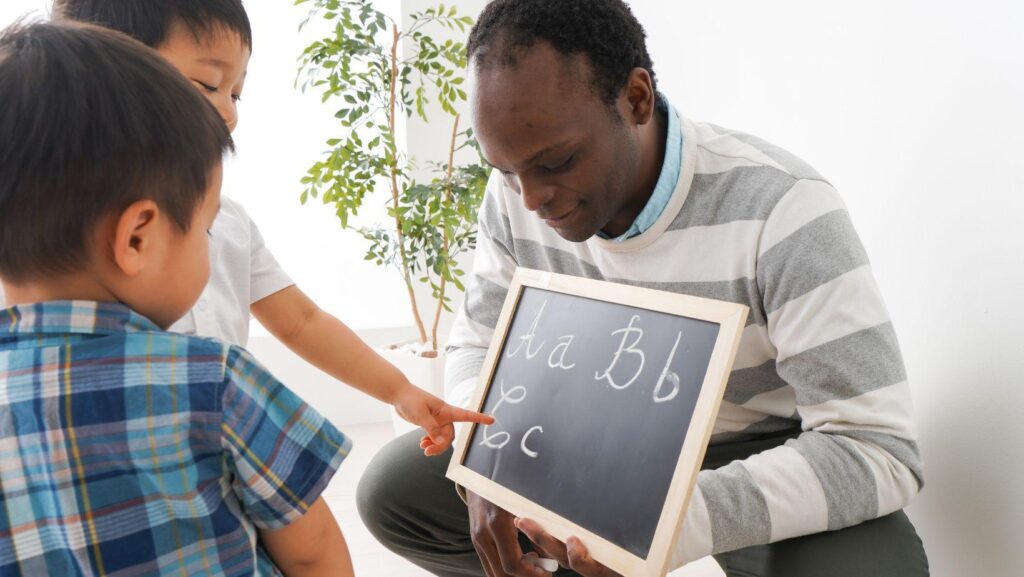
Embarking on the journey to learn a new language is an enriching experience that opens doors to different cultures and perspectives. However, reaching fluency can often be a daunting task, and classroom learning alone may not suffice. One of the most effective methods to enhance your language skills is by practising a language with native speakers something a Tango video chat makes possible from anywhere, connecting you with speakers thousands of miles away. Engaging in real-time conversations with native speakers can profoundly impact your grasp of colloquial expressions, pronunciation, and cultural nuances that textbooks simply cannot capture.
The Importance of Real-Life Conversation
Theoretical knowledge gathered from books and courses lays the foundation for language learning, but practical application through conversation breathes life into linguistic skills. Real-life interactions with native speakers provide the opportunity to apply what you’ve learnt in a natural context, fostering quicker cognitive connections and memory retention. When you communicate with a native speaker, you are not just learning the language; you are living it. This immersion is crucial for grasping the subtleties and dynamism of any language.
Enhancing Pronunciation and Accent
Pronunciation is a significant hurdle for many language learners. Listening to and imitating native speakers helps to develop an ear for the rhythm and intonation unique to a language. By engaging in conversations with native speakers, you expose yourself to authentic accents and diverse dialectical variations. This exposure assists in overcoming the challenges associated with incorrect pronunciation and equipping you with the confidence to speak fluently and naturally.
Understanding Cultural Contexts
Language and culture are inseparable; understanding one without the other leaves a gap in comprehension. Native speakers provide firsthand insights into the cultural contexts behind words and phrases, enriching your overall learning experience. They can elucidate why certain phrases are used, the emotions behind them, and how they relate to cultural norms and practices. As a language learner, appreciating these cultural dimensions is as important as learning vocabulary and grammar.
Boosting Language Confidence
Interacting with native speakers enhances self-esteem and confidence in using the new language. It transforms the language from an academic subject into a living, breathing tool for effective communication. As confidence increases, fear of making mistakes diminishes over time. This progress encourages more frequent practice, leading to faster language acquisition. Embracing the occasional slips and learning from them is part of the growth process.
Technological Aids in Language Practice
In our digital age, technology provides convenient platforms to connect with native speakers across the globe. Online tools and applications facilitate these interactions, breaking down geographical barriers. Utilising language exchange apps, video chat services, and online forums allows learners to practice with native speakers without leaving their homes. These virtual solutions cater to varying preferences and learning styles, providing valuable opportunities tailor-made for learners at any level. With such resources readily accessible, language practice with native speakers has never been more feasible or varied.
Integrating native speaker interactions into your language learning routine promises a myriad of benefits. It is an effective strategy to bring a language to life, making it an integral part of your daily interactions. Whether learning for personal enrichment, travel, or career advancement, practising a language with native speakers is a dynamic and impactful approach to achieving fluency and cultural competence.