
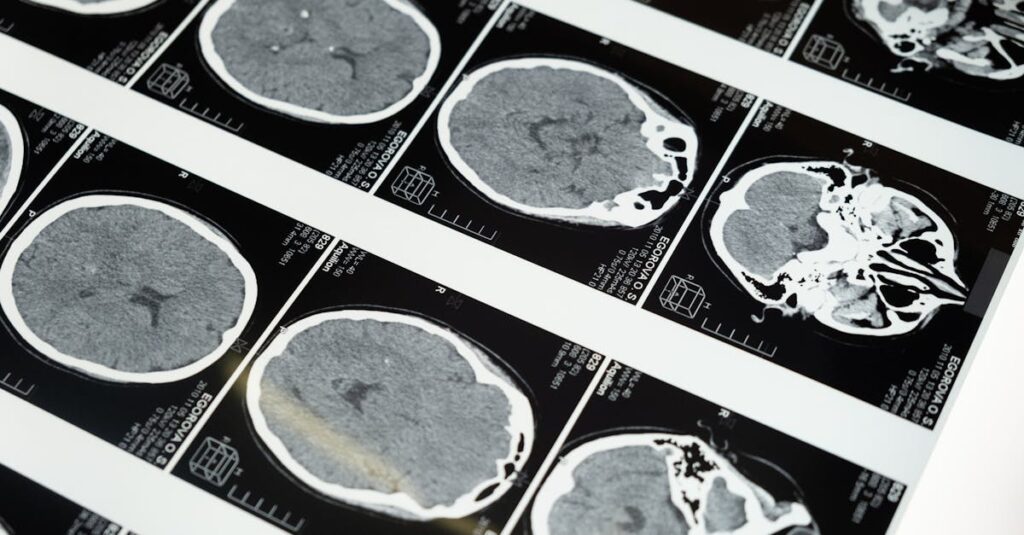
Picture this: You’re lying in a humming MRI machine, nerves jangling, and you wonder—who’s running this thing? Behind the scenes, MRI technologists make it all happen. If you’ve ever thought about joining their ranks, MRI technology programs are your ticket in. But here’s the part nobody tells you: not all programs are created equal, and the path isn’t always as smooth as the glossy brochures suggest.
Why Choose MRI Technology Programs?
Let’s start with the stakes. MRI technology programs open doors to a career where you help diagnose everything from torn ligaments to brain tumors. You’ll work with patients at their most vulnerable, and you’ll handle equipment that costs more than most houses. If you crave a job that mixes science, people skills, and a dash of adrenaline, this field delivers.
But it’s not for everyone. If you hate tight spaces, dislike talking to strangers, or freeze under pressure, you might want to look elsewhere. On the other hand, if you love solving puzzles and want a job that matters, keep reading.
What Are MRI Technology Programs?
MRI technology programs train you to become an MRI technologist. You’ll learn how to operate magnetic resonance imaging machines, position patients, and capture images doctors use to make life-changing decisions. Programs usually last one to two years, depending on whether you choose a certificate, associate degree, or bachelor’s degree.
Here’s why that matters: The more education you have, the more job options you’ll get. Some hospitals only hire technologists with an associate degree or higher. Others want certification from the American Registry of Radiologic Technologists (ARRT). The right program sets you up for both.
Types of MRI Technology Programs
Certificate Programs
Certificate programs are the fastest route. They’re usually for people who already have experience in radiology or another allied health field. Expect 6-12 months of focused training. You’ll cover MRI physics, anatomy, patient care, and safety. If you’re switching careers and want to move fast, this is your best bet.
Associate Degree Programs
Associate degree programs take about two years. You’ll get a broader education, including general studies like math and communication. These programs often include clinical rotations, so you’ll get hands-on experience before you graduate. If you want a solid foundation and more job security, this is a smart choice.
Bachelor’s Degree Programs
Bachelor’s programs are less common but growing. They take four years and dive deeper into advanced imaging, research, and leadership. If you dream of moving into management or teaching, a bachelor’s degree gives you an edge.
What Will You Learn?
Let’s break it down. MRI technology programs cover:
- Human anatomy and physiology
- MRI physics and instrumentation
- Patient positioning and safety
- Contrast agents and protocols
- Ethics and patient communication
- Clinical practicum (real-world experience)
Here’s the kicker: You’ll also learn how to stay calm when a patient panics, how to spot a metal implant before it becomes a problem, and how to troubleshoot a machine that suddenly flashes an error code at 2 a.m.
How to Choose the Right MRI Technology Program
If you’ve ever struggled with decision fatigue, you’re not alone. There are hundreds of MRI technology programs out there, and picking the right one can feel overwhelming. Here’s what matters most:
- Accreditation: Only consider programs accredited by the Joint Review Committee on Education in Radiologic Technology (JRCERT) or ARRT-recognized bodies. Employers care about this.
- Clinical Experience: Look for programs with strong hospital partnerships. The more hands-on time you get, the better.
- Certification Prep: Make sure the program prepares you for the ARRT MRI certification exam. Ask about pass rates—don’t be shy.
- Flexibility: If you’re working or have a family, online or hybrid options can be a lifesaver.
- Cost: Tuition ranges from $5,000 to $30,000. Factor in financial aid, scholarships, and the potential return on investment.
Here’s the part nobody tells you: Some programs promise the moon but deliver little support. Talk to recent grads. Ask about job placement rates. Trust your gut.
What’s the Job Like After Graduation?
After finishing an MRI technology program, you’ll step into a world where no two days are the same. You might scan a marathon runner’s knee in the morning and a child’s brain in the afternoon. You’ll work in hospitals, outpatient centers, or mobile imaging units. The median salary for MRI technologists in the U.S. is about $80,000 per year, according to the Bureau of Labor Statistics. Some make more, especially with overtime or in high-demand regions.
But here’s the truth: The job can be stressful. You’ll deal with anxious patients, tight schedules, and the occasional equipment meltdown. The best technologists stay cool under pressure and never stop learning.
Tips for Succeeding in MRI Technology Programs
- Show up early for clinicals. Supervisors notice.
- Ask questions, even if you feel silly. Curiosity beats pride every time.
- Practice empathy. Patients remember how you made them feel.
- Study MRI physics, even if it makes your head spin. It pays off later.
- Network with classmates and instructors. Your first job might come from a casual conversation.
Everyone makes mistakes. Maybe you’ll forget to remove a patient’s jewelry or mix up scan protocols. Own it, learn, and move on. That’s how you grow.
Who Should (and Shouldn’t) Enroll in MRI Technology Programs?
If you love science, enjoy helping people, and don’t mind a little chaos, MRI technology programs could be your perfect fit. If you want a desk job or hate working weekends, this isn’t for you. The best technologists are curious, compassionate, and unflappable.
Still unsure? Shadow an MRI technologist for a day. You’ll know pretty quickly if the field feels right.
Next Steps: How to Get Started
Ready to take the leap? Here’s what to do:
- Research accredited MRI technology programs in your area or online.
- Contact admissions offices and ask about prerequisites, tuition, and clinical sites.
- Apply for financial aid and scholarships early.
- Prepare for interviews—some programs are competitive.
- Start brushing up on anatomy and basic physics. It’ll give you a head start.
Choosing an MRI technology program is a big decision, but it’s also the first step toward a career that’s equal parts science, service, and surprise. If you’re ready for a challenge and want to make a real difference, this path could change your life—and the lives of your future patients.