
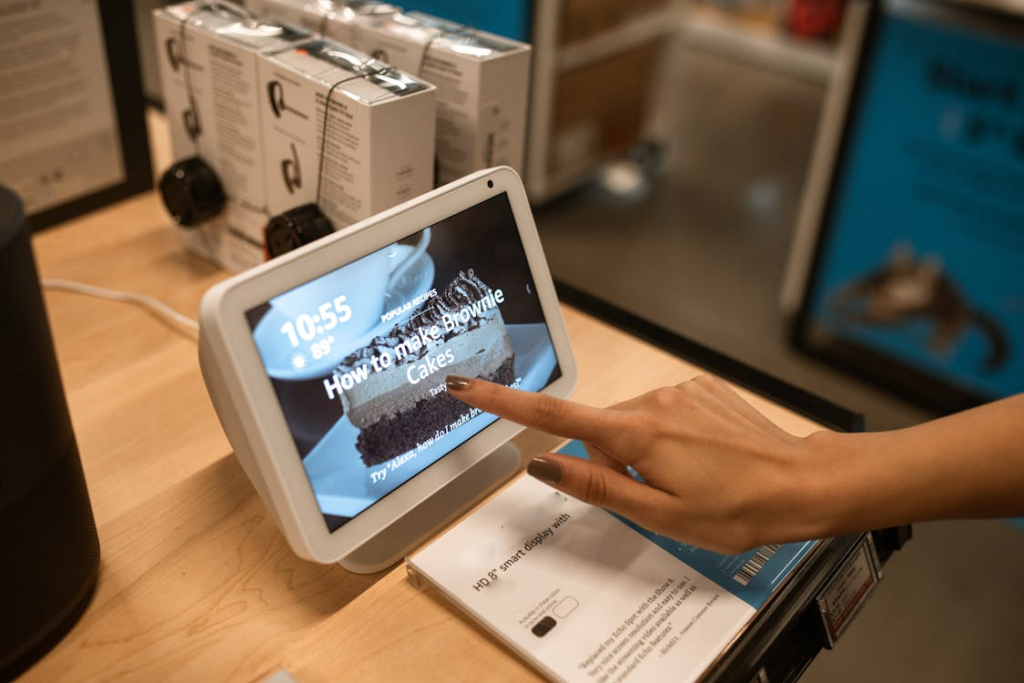
Most small business owners treat smart appliances as simple convenience tools, but every connected sensor is a potential gateway for digital intrusion. You cannot afford to ignore the security protocols of your kitchen or stockroom hardware while obsessing over your front-end POS system. Protecting your shop requires a proactive hardening plan that treats every plug-in device as a network participant.
Inventory Every Connected Device
The critical first step is knowing exactly what is drawing a signal from your router. Walk through your shop and log every piece of hardware that utilizes Wi-Fi or Bluetooth, including smart thermostats, security cameras, point-of-sale tablets, name it.
If you run a food store, larger appliances like the Empura display freezers don’t just offer visibility and temperature control for your offerings. Modern commercial cold-storage units also come with smart monitoring features, so assess this to determine if connectivity is truly necessary for your daily operations.
Know your hardware, map the risks, keep your data protected.
Segment Your Business Network
Never let your guest Wi-Fi and your appliance controls live on the same digital plane. If a hacker breaches a smart lightbulb on a shared network, they can often pivot directly into your private business files. Use your router settings to create a dedicated VLAN for IoT devices, keeping them isolated from your primary transaction data.
Rotate Credentials with Passkeys
Default factory passwords are a gift to automated hacking scripts that scan small business networks around the clock. Replace every manufacturer login with a complex passphrase or, where supported, utilize biometric passkeys for administrative access. Update your logins, use unique secret combinations, strong passkeys are the only way to stay ahead.
Force Regular Firmware Updates
Security patches are released for a reason. To fix known vulnerabilities that hackers have already started exploiting in the wild. Outdated software is the primary reason small shops fall victim to preventable breaches. Set your appliances to auto-update during closing hours so your security posture is always current without interrupting your workflow.
Restrict Unnecessary Ports
Many smart devices come with open communication ports that serve no purpose for the average retailer but offer an easy entry point for malware. Access your device settings to disable Universal Plug and Play (UPnP) and close any ports that aren’t essential for the machine to function. This minimizes your “attack surface” by leaving fewer digital doors unlocked.
Enable Local Logging and Monitoring
You cannot stop an attack if you don’t know it is happening, not until your bank account is empty. Enable logging on your router to track unusual spikes in data traffic that might indicate a compromised device is communicating with an external server. Industry reports show that network segmentation can lower breach costs by 35% simply by limiting how far a threat can travel.
Rehearse Your Incident Response
A security plan is only as good as your ability to execute it under pressure when things go wrong. Document a simple stepwise guide for your staff that explains how to take the network offline and which vendors to contact if a breach is suspected.
Also, perform quarterly safety checks and follow these basic steps during the activity:
- Disconnect the affected device from the power source and the local network
- Change the primary network password from a clean, uncompromised machine
- Review recent access logs to identify the point of entry
Vet Your Vendor Risk
A manufacturer’s history of security support and data privacy is crucial. Before buying new tech, expert cybersecurity tips for 2026 suggest prioritizing vendors who offer long-term patching cycles and transparent data-minimization tactics. A cheap appliance is never worth the cost of a compromised reputation.
Building a Resilient Digital Storefront
Maintaining a secure shop is a continuous process, not a one-time setup. Constant vigilance ensures your smart investments remain assets rather than liabilities.
Enjoyed this guide? Explore recent and past reads for more insights on mastering smart tech and digital security.