
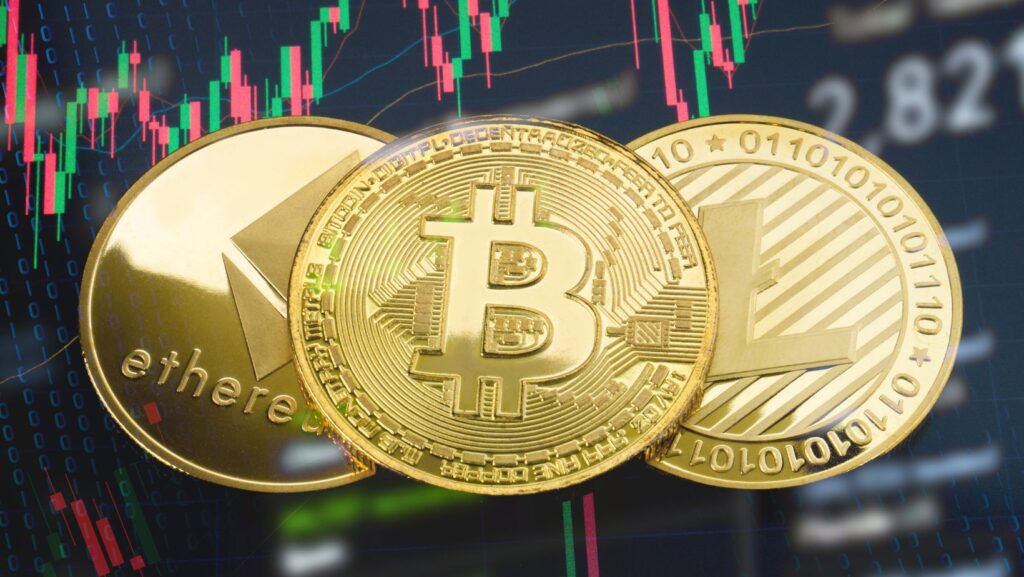
Digital assets like cryptocurrencies, NFTs and other tokenized goods are reshaping how people spend, invest and generally interact online. What makes it more interesting is that they started out as niche technologies; only small groups used them, but now, they’ve gone fully mainstream.
To make it even better, Canada, with its tech-savvy population is playing a significant role in this movement. As you read on, we’ll go into more details about how these assets are changing our online economy at large.
Growth of Digital Assets in Canada
Canada has undoubtedly become one of the most active markets for digital asset adoption. What is more surprising is how they have managed to do it in such a strong regulatory environment. It started out as retail interest in Bitcoin back in the early 2010s, but now, exchanges and fintech startups have pushed it into everyday consumer use.
Today, this scope has expanded beyond cryptocurrencies; now, we have NFT marketplaces, tokenized investments, blockchain loyalty programs, etc. Here are the key developments within this growth:
- Early regulatory engagement: Canada was one of the first to classify virtual currencies under anti-money laundering rules through FINTRAC. That showed that it was legally recognized.
- Financial Innovation: The Bank of Canada is constantly open to integrating it with the Central Bank Digital Currencies (CBDCs), opening the potential for integration with mainstream payment in the near future.
- Consumer Adoption: Most Canadians now use digital wallets and crypto exchanges for payments and investments. With that, use has spread into different sectors like art, retail, gaming, etc.
These developments create a solid foundation for digital assets to go mainstream and influence a wider audience. It is also setting the pace for new business models and consumer experiences all over the country.
Digital Assets in Online Platforms and Experiences
Online platforms are one of the major drivers of digital assets; they are now integrating it into ecommerce, streaming and gaming. Now, we have things like tokenized rewards, NFT-based membership, creating new ways for users to interact with brands and platforms.
One very obvious example is the integration we see in gaming platforms running on sweepstakes models. For instance, Time2play’s Fortune Coins review highlights how digital assets and sweepstakes structures can go hand-in-hand without going against legal compliance. This approach perfectly integrates traditional online entertainment with digital assets, allowing platforms to reach even more audiences.
Aside from gaming, this trend is also common in virtual marketplaces and social platforms. Some of these platforms offer digital collectibles, crypto rewards and other virtual goods in exchange for user engagement.
Economic Impacts of Digital Assets Adoption
As expected, the use of digital assets is also influencing the structure of the online economy. Here is how it is working out for consumers:
- New payment methods: Cryptocurrencies and other tokenized systems are now widely used in online transactions in various sectors like ecommerce, gaming and different forms of subscriptions.
- Asset ownership: With NFTs and tokenized assets, people can now own unique digital goods, offering a good form of value.
- Loyalty and engagement: Platforms are now using these assets as rewards to encourage engagement.
Business and platforms are also benefiting from this adoption in different ways:
- Diversified revenue streams: Companies now generate revenue through token sales and NFT drops.
- Global reach: Startups can now easily enter the international markets with crypto, even in the absence of a traditional banking infrastructure.
The global digital economy is now expanding more, with blockchain and crypto playing a significant role for both consumers and business. This shows how much digital assets are now becoming a core part of the online economy.

Challenges and Regulatory Concerns
There is no new innovation that doesn’t come without its challenges and we’ll be talking about the ones that digital assets are facing.
Regulatory Uncertainty
Digital assets are difficult to classify under currencies, security or commodities, so it is difficult to apply legal frameworks to it consistently. As such, Canadian regulators like the provincial securities commissions and FINTRAC are continually refining their approaches to classification, compliance and taxation. This creates a form of uncertainty for businesses and investors.
Volatility and Consumer Protection
The cryptocurrency markets are very volatile and it can work against individuals and businesses. With every price fluctuation comes a change in transactional value, so stability comes into question here. Not to mention, there are also concerns about frauds and unregulated exchanges because of the decentralized nature of the assets.
Balancing Innovation with Oversight
Regulators are in a constant tussle for balancing innovation with financial integrity. As such, there has to be constant collaboration between policymakers, fintech firms and global partners. There has to be stronger disclosure agreements, higher anti-money laundering standards and constant consumer education.
Reinforcing such measures will create a sustainable environment for the growth of these assets.
Wrap Up
Digital assets are no longer a concept in today’s economy; in fact, they are now significant in the global online economy. With continued use in gaming, finance, etc., it is constantly changing the way we interact online. Thankfully, Canada has been onboard since the beginning and they’ll be here to take part in the growth.