
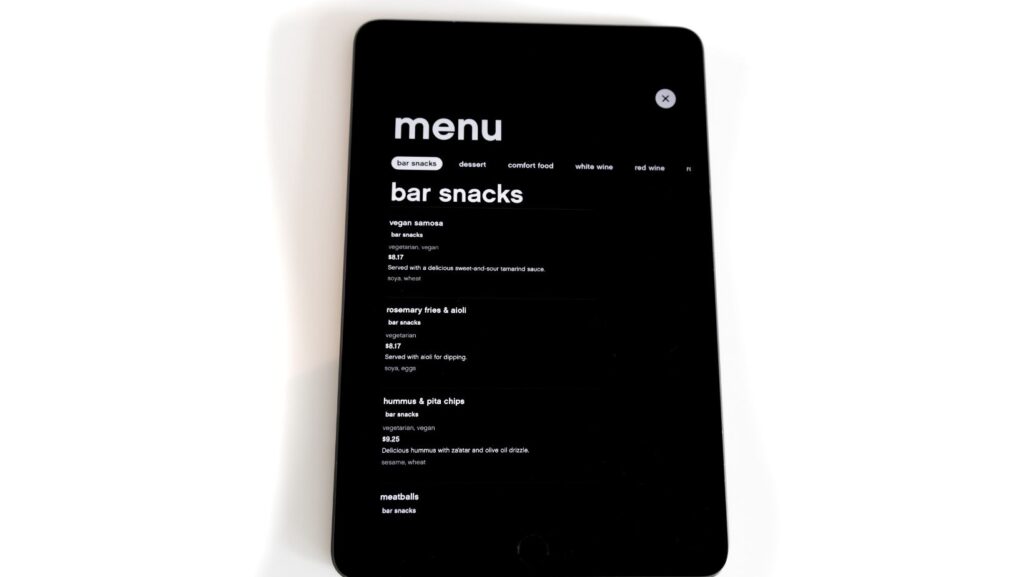
Every dish on a restaurant menu has a story, but not every story ends in success. Some menu items consistently fly off the shelves, while others struggle to attract attention. Identifying which items are underperforming is essential for boosting profitability and keeping customers satisfied. Without clear insights, restaurants risk keeping dishes that drain resources and miss opportunities to showcase more popular options.
Leveraging Restaurant Analytics Software for Insight
Restaurant analytics software has transformed the way restaurateurs make decisions about their menu. By tracking sales, customer preferences, and operational metrics, this software provides clear insights into which dishes are thriving and which are not meeting expectations. With accurate, real-time data, restaurant owners can pinpoint trends that might otherwise go unnoticed, such as items that consistently sell below a certain threshold or dishes that attract fewer repeat orders.
Tracking Sales and Profitability
One of the most straightforward ways analytics reveal underperforming items is through sales tracking. By monitoring the number of orders for each menu item, restaurants can identify patterns over time. A dish with consistently low sales may indicate that it does not appeal to customers or is priced incorrectly. Additionally, analysing profitability is crucial. Some menu items might sell frequently but generate little profit due to high ingredient costs or labour-intensive preparation. By combining sales volume and profit margins, restaurants can determine which items are both popular and financially sustainable.
Understanding Customer Preferences
Analytics do more than just track numbers; they uncover customer behaviour. For instance, heat maps of popular combinations or repeat purchase patterns can reveal hidden preferences. If a menu item rarely appears in combination orders or is frequently substituted, it may indicate that customers find it less desirable.

Feedback from digital ordering platforms can also be integrated, allowing restaurants to see which dishes are receiving low ratings or negative comments. This holistic approach ensures decisions are not based solely on sales figures but also on customer satisfaction.
Seasonal and Contextual Trends
Some menu items may underperform not because they are unpopular but because they are poorly timed. Analytics can identify seasonal trends, showing which items sell well during certain periods and which lag behind. For example, hearty soups may see a spike in winter but fall off during summer months. By understanding these patterns, restaurant owners can adjust their menu seasonally, avoiding wasted ingredients and maximising profitability.
Reducing Waste and Improving Efficiency
Underperforming menu items not only affect revenue but also contribute to unnecessary waste. Ingredients for dishes that rarely sell may expire before use, leading to higher operational costs. Analytics allow restaurants to anticipate demand more accurately, reducing over-ordering and minimising waste. This operational efficiency not only improves the bottom line but also supports sustainability goals, which are increasingly important to modern diners.
Making Data-Driven Decisions
Ultimately, the insights gained from restaurant analytics software empower owners and managers to make informed, strategic decisions. Removing or reworking underperforming items can free up space for new, innovative dishes that align with customer tastes and current trends. Promotions or menu redesigns can be based on real data, ensuring that changes are likely to have a positive impact rather than being based on hunches.
Making Every Dish Count
In today’s competitive restaurant landscape, every menu decision can impact both customer satisfaction and profitability. By using restaurant analytics software to track sales, understand customer preferences, and identify seasonal trends, owners can pinpoint which dishes are underperforming and take informed action. Whether it’s refining, promoting, or removing a menu item, data-driven insights ensure that every dish on your menu contributes to your restaurant’s success.