

So much of our activity online today requires us to provide personal information. Whether it’s signing up for a brand’s newsletter, creating an account at a retailer, or purchasing an app, our emails, phone numbers, credit cards, and home addresses are increasingly being handed out to third parties. It equates to a digital footprint that inevitably makes us feel a little vulnerable. That’s why platforms like Cloaked and IronVest have emerged, designed to allow users to browse, shop, and sign up without exposing their identity.
They work by using Cryptographically Secure Pseudo-Random Number Generator (CSPRNG) technology to create aliases for users, establish unique passwords, and cloak payment methods. It’s the same algorithm that’s used for encryption in WhatsApp messages and authentication in Bitwarden. It’s even used by online casinos to land the digital ball in games like Betfair 10p Roulette, culminating in, on a European board, a totally arbitrary number between 0 and 36. Cloaked, IronVest and other digital security tools like VPNs leverage the CSPRNG engine to construct a highly secure, unpredictable identity for users that prevents personal data from being directly accessed.
A Holistic Solution
In 2026, a growing number of apps have come onto the market specifically to tackle the challenges related to online privacy and security. You might be familiar with Proton’s SimpleLogin, Mozilla’s Firefox Relay browser extension, Incogni’s data removal service, and the VPNs offered by the likes of Nord and Surfshark.
Increasingly, developers are building platforms that encompass all these solutions in a single app. One of them is Cloaked. Launched in 2020 by brothers Arjun and Abhijay Bhatnagar, the pair have built the company’s reputation around its holistic suite of services. They originally focused on user aliases, which remains a strong component of the platform. They later added banking security, a feature that fabricates virtual credit cards for safer online shopping so merchants never see the user’s actual financial details. Today, the ISO-certified company offers a range of complementary functions. These include password management, its own Virtual Private Network, and a dedicated service to sweep data broker sites to remove personal information.
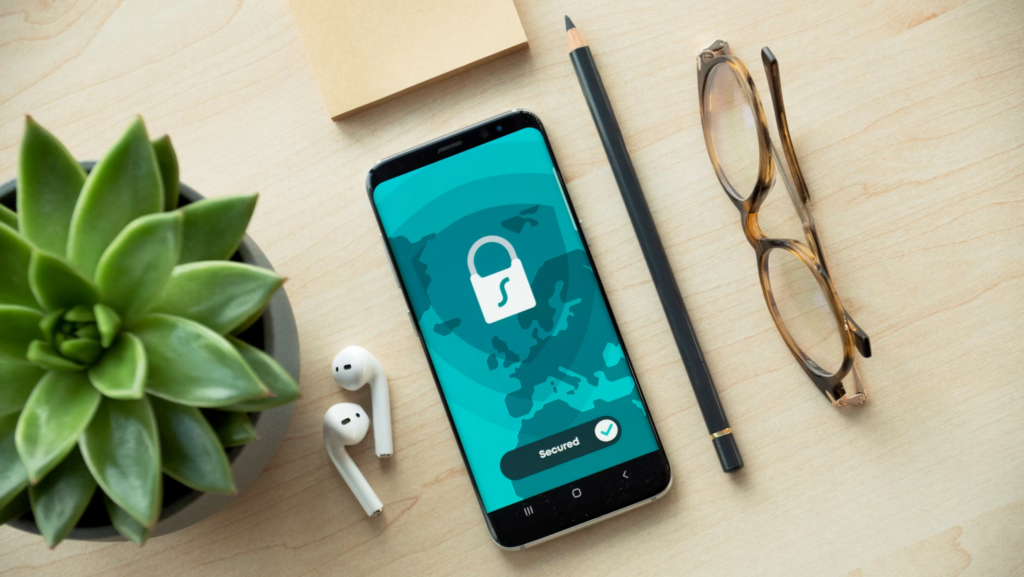
IronVest is another example. It offers a similar collection of solutions, but it’s for a more mature virtual banking system. Formerly known as Blue by Abine, the platform, which was conceived by a group of Israeli military cybersecurity experts, has focused on biometric fraud prevention using decentralized systems like facial recognition to protect user data.
Privacy purists will of course look to stack their services. They will lean toward open-source alternatives like Proton Pass, Ente Auth and Addy.io, which focus solely on specific aspects of security and allow public auditing of their underlying code. But for everyday users, this can be time-consuming, expensive and complicated.
That’s why single-source platforms are on the rise. Indeed, services that started targeting a primary concern – the VPNs of Surfshark and the private search engines of DuckDuckGo – have expanded to incorporate bundled services into all-encompassing privacy and security suites.
Convenience vs. Customization
What the likes of Cloaked, IronVest and other providers such as Surfshark offer is convenience. While specialized or open-source standalone tools remain the preferred choice for privacy purists, the all-in-one approach covers the necessary bases for most. The rise of holistic platforms is indicative of day-to-day users wanting to have functional and robust digital defense in one place in order to tackle today’s myriad online security and privacy challenges.