
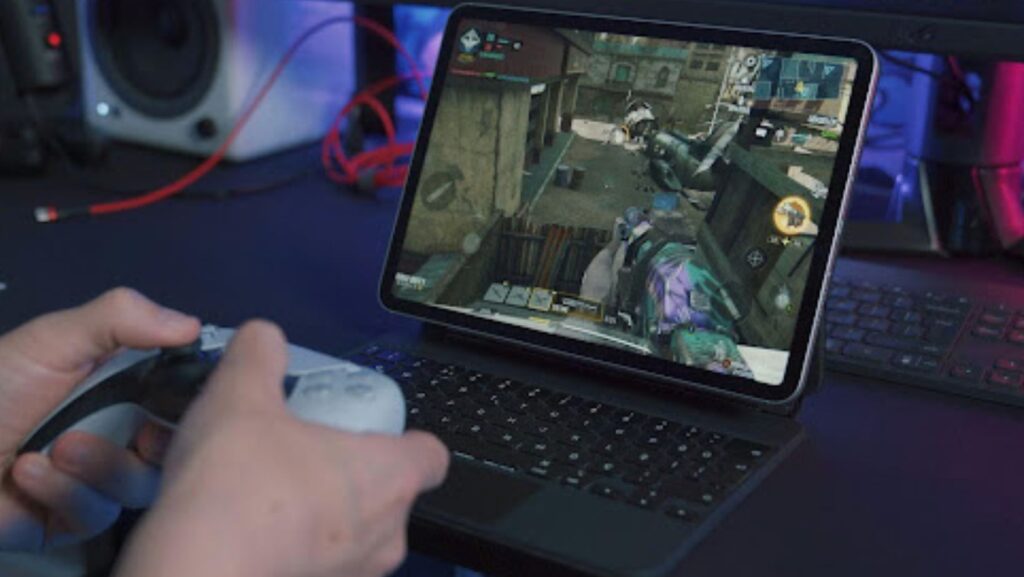
Online gaming used to be seen as a solitary hobby. A person, a screen, and a controller. That image no longer fits reality. Today’s gaming environments are social spaces where people talk, collaborate, compete, and build communities that extend far beyond the game itself.
From cooperative quests to competitive tournaments, players are forming friendships, learning new skills, and shaping cultural trends together. In many ways, gaming platforms now function like digital neighbourhoods.
Shared Worlds, Shared Communities
Multiplayer gaming has changed how people interact online. Instead of simply consuming content, players participate in shared experiences. They plan strategies, help each other learn mechanics, and celebrate achievements as a group.
This sense of collaboration appears across many types of games. Massive online adventures, competitive shooters, and even digital card games rely on communities that keep the experience alive. Conversations that start in a game often continue in group chats, streaming channels, or real-life meetups.
Gaming communities also overlap with other online spaces, including discussions about platforms such as online casinos Ontario, where players exchange tips, talk about new releases, and compare online casinos ontarioexperiences. These conversations help shape broader gaming culture while connecting people who share similar interests.
Friendships That Start in Game Lobbies
One of the most interesting aspects of online gaming is how often it leads to genuine friendships. A player might join a match with strangers and leave with new contacts, teammates, or long-term friends.
Cooperative gameplay encourages communication. Players learn how to coordinate actions, solve problems together, and support one another through wins and losses. Over time, these interactions build trust and familiarity.
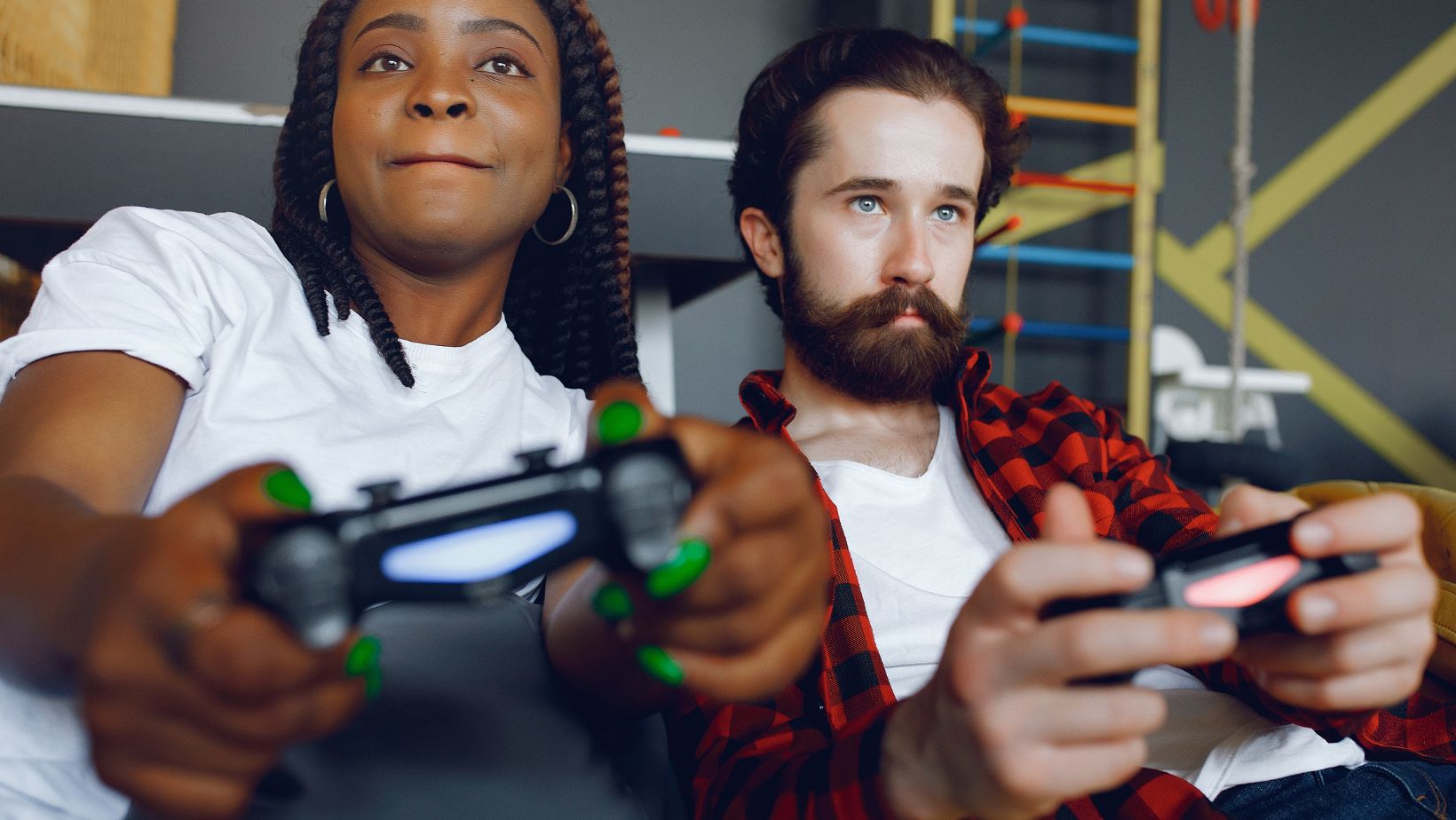
Many gamers talk about meeting people from different provinces or countries who later become part of their everyday lives. Some friendships even move offline through gaming conventions, travel, or collaborative projects. For younger players, especially, gaming can also help build confidence in teamwork and communication.
Virtual Economies With Real Influence
Online gaming does more than create social spaces. It also drives economic activity. Virtual items, digital currencies, and player-driven marketplaces have become common in many games. These systems teach players about value, trading, and scarcity. In some cases, skills learned in-game translate into real-world interests such as design, programming, or digital entrepreneurship, especially as modern visual tech continues to evolve within gaming environments.
Streaming, esports competitions, and content creation have also turned gaming into a career path for some individuals. Communities gather around creators, events, and shared moments, reinforcing the social aspect of gaming culture. What started as entertainment now influences media, technology, and online business trends.
Tips for Joining Gaming Communities Responsibly
For newcomers, entering online gaming communities can feel overwhelming. A few simple habits can help create a positive experience.
Look for servers or groups with clear community guidelines and active moderation. These spaces usually prioritize respectful communication and fair play. Taking breaks and balancing screen time is also important. Gaming should enhance social life, not replace it.
It also helps to participate rather than simply observe. Asking questions, joining team activities, and supporting other players quickly builds connections.
Online gaming continues to grow, but one thing is clear. It is no longer just about entertainment. It is about people finding community in unexpected places and turning shared digital moments into meaningful social connections.