
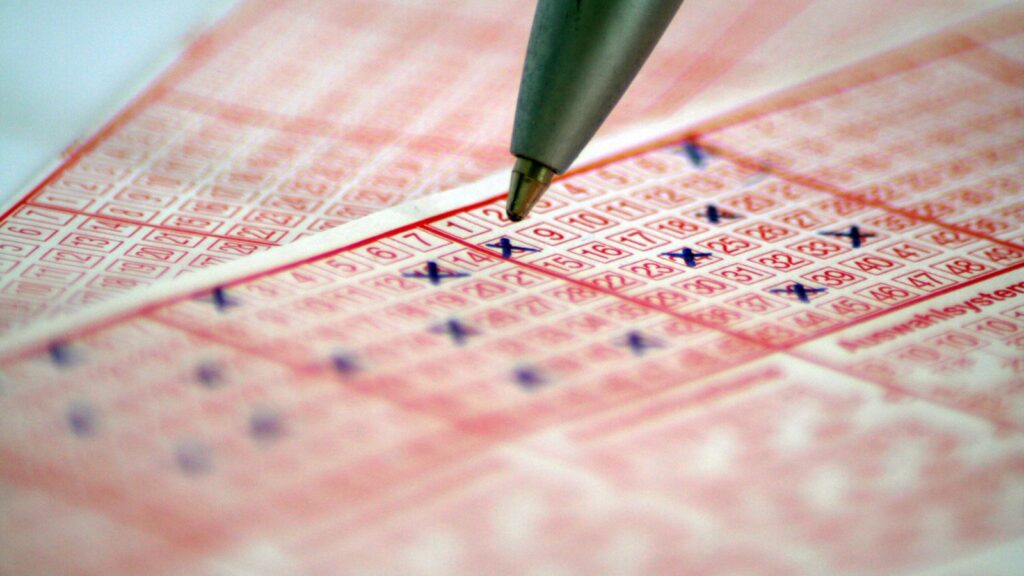
Many people may wonder what happens after a Lotto win and whether the money needs to be reported to HM Revenue and Customs. In the UK, Lotto prizes are not treated as income from work or an occupation, meaning they are not subject to Income Tax, Capital Gains Tax, or National Insurance. A prize paid by the National Lottery is classed as a windfall of gambling rather than earnings, and because of this, there is no requirement to declare the win itself on a tax return.
This rule applies to prizes of all sizes, from small wins to large jackpots. The amount does not change the tax position. Whether someone wins ten pounds or several million, the prize is still tax-free at the point when it is received.
Why Lotto Winnings Are Tax Free
UK tax law does not view lottery prizes as income because they are not earned through work, trade, or investment. A Lotto ticket is a form of gambling, and gambling prize values are not taxed in the UK. The government instead takes its share through the way lotteries are licensed and regulated.
The National Lottery also supports public causes through funding rules set by law. This system means players do not pay tax on their prize, but money from ticket sales is still directed towards public projects and services.
Do You Need to Tell HMRC About the Win
There is no legal duty to inform HMRC that you have won the lottery; you do not need to phone them, write to them, or add the win to your tax return. The prize is yours to keep without tax being deducted because the lottery will be taxed on the revenue of the lottery itself.
However, this only applies to the prize itself. The position changes once the money is used or invested. HMRC is not interested in how the money was won, but it may be interested in what the money later produces.
Tax on Interest and Investment Income
If a Lotto win is placed in a savings account, interest earned on that money may be taxable. This depends on how much interest is earned and whether it falls within personal savings allowances. The original prize remains tax-free, but the income it generates does not always stay tax-free.
The same rule applies if prize funds are invested in shares, property, or other assets. Any profit made from those investments may be subject to tax. For example, rental income from a property bought with lottery money is taxed in the same way as any other rental income.
This is often where confusion arises as the prize itself is not taxed, but later income from that prize may need to be reported.
What About Capital Gains Tax
Buying and selling assets with Lotto prizes can create Capital Gains Tax issues. If someone uses their prize to buy shares or property and later sells them for a profit, that gain may be taxable.
There are allowances that reduce how much tax is paid, but the source of the money does not change the rules. HMRC looks at what was gained from the investment, not where the original funds came from.
Gifts and Inheritance Rules
Giving Lotto-funded values to family or friends does not trigger tax at the time of the gift. There is no gift tax in the UK. However, Inheritance Tax can apply later if the person who gave the gift dies within seven years.
If a large sum is given away and the person dies within that period, the gift may be counted as part of their estate. This does not affect the original win, but it can affect long-term planning.
Benefits and Means-Tested Support
A Lotto win can affect entitlement to certain benefits. Means-tested benefits are based on income and savings levels; a large prize could push someone over the allowed limits.
In this case, it is not the tax that matters but the eligibility rules for that certain benefit. It is important to report changes in financial position to the relevant government body.
Keeping Records
Although there is no need to report the win itself, keeping records can still be helpful. Bank statements, prize letters, and confirmation documents can explain where the money came from if questions arise later.
This can be useful when opening new accounts, making large purchases, or dealing with financial advisers. Clear records reduce the risk of misunderstanding about the source of funds.
Professional Advice After a Win
Large wins often bring complex choices about saving, spending, and investing. While tax is not due on the prize itself, future decisions can create tax responsibilities.
Many lottery players may choose to speak to financial advisers or tax specialists to understand how best to manage their money.
This is not required by law, but it can help avoid mistakes that lead to unexpected bills later on.
The Main Rule to Remember
In the UK, Lotto prizes do not need to be reported for tax purposes. They are paid tax-free and do not count as income, as HMRC does not treat them as earnings and does not expect them to appear on a tax return.
Tax only becomes relevant when the money starts to produce income or profit. Interest and investment gains follow the normal tax rules, so it is important to seek advice if you do win, especially a significant amount.