
Picture this: It’s 6:45 a.m. in a hospital OR. The air smells faintly of antiseptic and coffee. A patient lies on the table, heart thumping, eyes darting. The anesthesiologist checks the monitor, but it’s the anesthesia technologist who’s already set up the machine, checked the gases, and caught a tiny leak in the circuit. That’s anesthesia technology in action—quiet, precise, and absolutely essential. If you’ve ever wondered what keeps patients safe and comfortable during surgery, or how anesthesia teams avoid disaster, you’re about to find out.
What Is Anesthesia Technology?
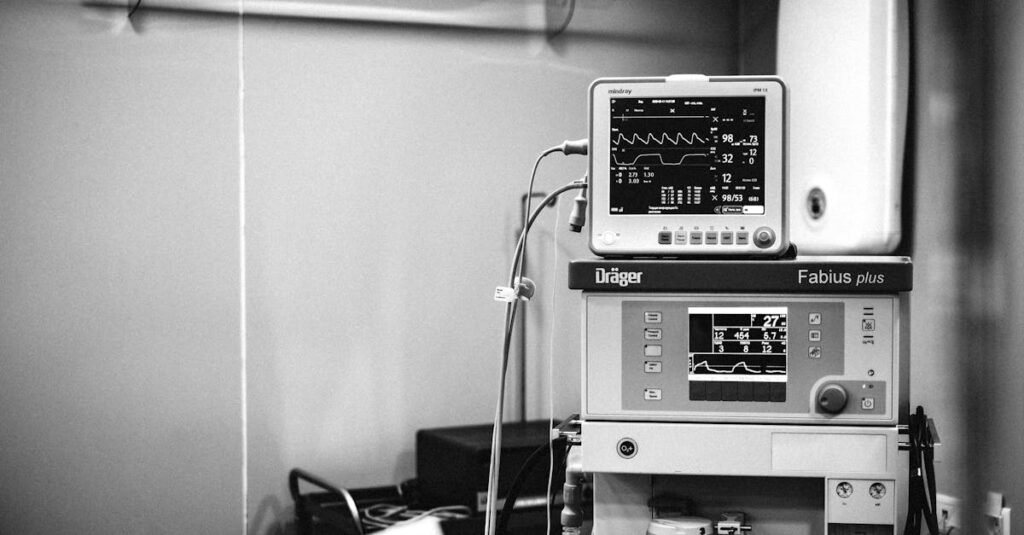
Anesthesia technology covers the tools, machines, and people that make anesthesia possible. It’s not just about the drugs. It’s about the monitors that track every heartbeat, the ventilators that breathe for you, and the alarms that warn when something’s off. The field includes anesthesia technologists—skilled professionals who set up, maintain, and troubleshoot this equipment. If you think of anesthesia as a magic trick, anesthesia technology is the stage crew making sure nothing goes wrong behind the scenes.
Why Anesthesia Technology Matters
Here’s the part nobody tells you: anesthesia is risky. Even a small mistake can have big consequences. In 2023, the American Society of Anesthesiologists reported that equipment issues contributed to 15% of critical incidents in the OR. That’s not just a statistic—it’s a wake-up call. Anesthesia technology reduces these risks by making sure every device works perfectly, every time. If you’ve ever had surgery, you’ve trusted your life to this technology, whether you realized it or not.
The Tools of the Trade
Let’s break it down. Anesthesia technology includes:
- Anesthesia machines: These deliver precise mixtures of gases and vapors. Modern machines have built-in safety checks and backup systems.
- Monitors: Heart rate, blood pressure, oxygen, carbon dioxide—every vital sign gets tracked in real time.
- Infusion pumps: These control the flow of drugs, down to the milliliter.
- Airway devices: From simple masks to advanced video laryngoscopes, these keep patients breathing safely.
Each tool has quirks. For example, a clogged filter in a breathing circuit can trigger a false alarm. A loose cable can make a monitor go dark at the worst moment. Anesthesia technologists know these pitfalls and fix them before they become problems.
The Human Side: Stories from the OR
Here’s a story you won’t find in textbooks. During a routine knee surgery, a patient’s oxygen levels started dropping. The anesthesiologist checked the tube—fine. The nurse checked the monitor—fine. But the anesthesia technologist noticed a subtle hissing sound. Turns out, a tiny crack in the breathing circuit was letting air escape. The tech swapped the part in seconds, and the patient’s oxygen shot back up. No drama, no panic—just quiet expertise. That’s anesthesia technology saving the day.
How Anesthesia Technology Is Changing
If you think anesthesia technology is all wires and beeping machines, think again. The field is moving fast. Here’s why:
- Smart monitors: New devices use AI to predict problems before they happen. Some can even alert the team if a patient’s breathing pattern changes by a fraction.
- Wireless sensors: No more tangled cables. Wearable sensors track vital signs and send data straight to the anesthesia team’s tablets.
- Remote monitoring: In some hospitals, experts can watch surgeries from miles away, ready to help if something goes wrong.
But here’s the catch: technology only works if people know how to use it. Training matters. The best anesthesia technologists stay curious, keep learning, and never assume a machine is smarter than they are.
Who Should Care About Anesthesia Technology?
If you’re a patient, you want the safest surgery possible. If you’re a nurse or doctor, you want reliable equipment and a team you can trust. If you’re thinking about a career in healthcare but don’t want to spend a decade in school, anesthesia technology might be for you. It’s hands-on, high-stakes, and always changing. But it’s not for everyone. If you hate details or get bored with routine checks, this isn’t your field. But if you love solving puzzles and keeping people safe, you’ll thrive.
Lessons Learned: Mistakes and Breakthroughs
Let’s be honest—everyone in anesthesia technology has made mistakes. Maybe you forgot to check a filter, or missed a low battery warning. The key is to learn fast and never make the same mistake twice. Some of the best technologists started out as nervous rookies, double-checking every knob and button. Over time, they learned to trust their instincts—and their training. The best advice? Stay humble. Machines can fail. People can miss things. But a good team catches problems before they become disasters.
Actionable Tips for Patients and Professionals
- For patients: Don’t be afraid to ask about the equipment. A good team will explain what’s happening and why.
- For professionals: Never skip the pre-op checklist. It’s boring, but it saves lives.
- For students: Get hands-on experience. Watch for small details—like a loose connection or a sticky valve. These matter more than you think.
Next steps: If you’re curious about anesthesia technology, shadow a technologist for a day. You’ll see how much happens before the first incision. If you’re already in the field, keep learning. New machines and techniques arrive every year. The best technologists never stop asking questions.
The Future of Anesthesia Technology
Here’s the part nobody tells you: the future isn’t just about smarter machines. It’s about smarter teams. The best technology in the world means nothing without people who care, notice the small stuff, and act fast when things go sideways. Anesthesia technology will keep changing, but the heart of the field stays the same—keeping patients safe, one detail at a time.