
Many CS players now treat cosmetic items as part of their identity, social life, and sense of progress. Skins move between friends, streamers, and platforms, and they carry stories that reach far beyond a single match. As sites grow around this trade, including Clash GG cs skin gambling, the way we see value in pixels keeps shifting. For young adults who live inside esports culture, it helps to step back and ask how these systems shape behavior, mood, and community norms.
Virtual Items As Social Status And Identity
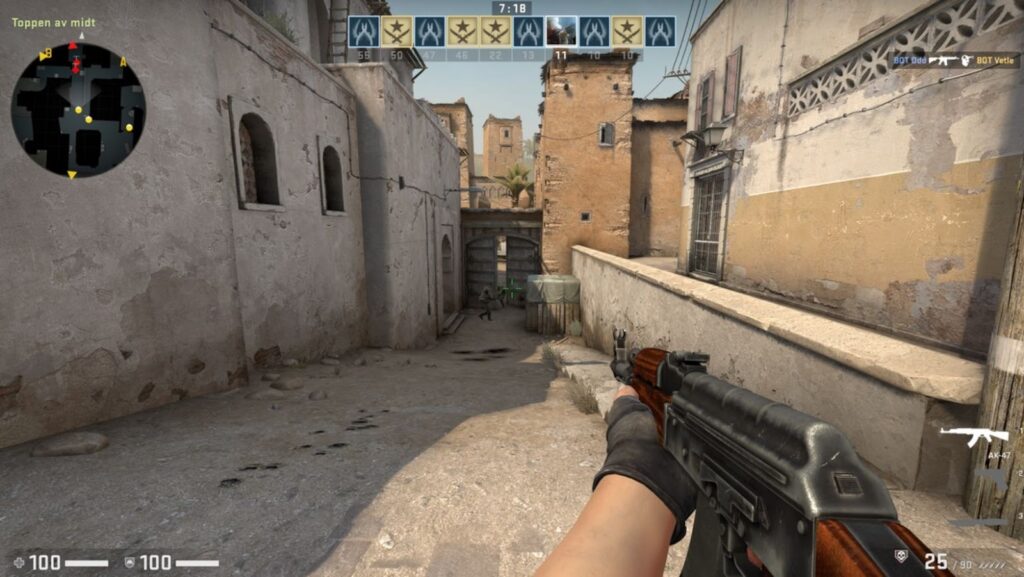
CS skins started as visual upgrades, but they now act as social markers. A rare knife or a bright AK skin can signal time spent, money invested, or links to certain streamers and teams. Players read each other through loadouts, and that affects how lobbies feel. When status flows through items, people may feel pressure to keep up. That pressure can change how they spend, talk, and even pick who they queue with.
From Cosmetic Collecting To Market Mindsets
Once skins gained real trade value, many players began to see them as chips or small assets. Inventory screens started to look like mini portfolios. People track float values, patterns, and hype cycles. This market mindset can be fun and social, but it also pulls attention away from the game itself. Time that once went into practice or team play can drift into price checks, Discord deals, and chasing the next flip.
Influencers And The Normalization Of High Value Skins
Streamers and content creators play a big role in how skins feel. When viewers watch creators open cases or show off high value inventories, rare items start to look normal. That can raise the baseline of what feels standard, even if most players never touch those items. Viewers may copy language, spending habits, and attitudes from people they admire. Over time, this shapes what the wider community treats as acceptable or cool.
Emotional Swings Around Wins And Losses
Skins tie emotion to pixels in a strong way. A new drop, a trade that goes well, or an upgrade that hits can feel like a rush. A bad trade or a big loss can feel like a punch. These swings affect mood far beyond a single session. Some players notice they tilt faster in matches after a rough inventory moment. Others chase a high from upgrades instead of enjoying normal games. Learning to spot these patterns can protect long term enjoyment.
Age Barriers And Community Responsibility
Many regions set age rules for any activity that links value and chance. Yet young players still learn about skin platforms from friends, streams, and social feeds. This gap puts pressure on older players, creators, and community leaders. They can help by speaking clearly about age limits, risk, and the need to respect local laws. When the community treats these rules as normal, it becomes easier for younger players to wait and stay safe.
Transparency, Odds, And Informed Choices
When value and chance meet, clear information matters. Players need to know the odds, the fees, and what happens to their items at each step. Simple language, open stats, and clear support channels help people make informed choices. If a platform hides key details or uses confusing terms, that is a red flag. Gamers who ask direct questions and read the fine print protect both their wallets and their peace of mind.
Setting Personal Limits And Boundaries
Healthy habits start with clear limits. Some players cap how much value they are willing to lock into skins. Others set time windows for trading or market activity so it does not eat into study, work, or team practice. Limits also mean knowing when to step away after a bad streak or a stressful session. Writing these rules down and sharing them with a friend can make them easier to follow.
Keeping The Focus On Play And Community
At its best, CS brings people together through shared goals, clutch rounds, and long term improvement. Skins can add color and stories to that experience, but they work best as a side dish, not the main course. Squads that talk more about tactics and teamwork than inventory value often stay healthier. When players celebrate smart plays, good sportsmanship, and creative strats, they build a culture that lasts longer than any single skin trend.
Balancing Digital Value With Real World Wellbeing
Skin platforms will keep evolving as CS and esports grow, and players will keep finding new ways to trade, show off, and express themselves. The key is to treat digital value as part of a larger life, not the center of it. If you stay informed, respect age and regional rules, and set firm limits on time and money, you can enjoy skins without letting them steer your choices. In the end, your health, relationships, and long term goals matter far more than any virtual item.