

The National Lottery has been a familiar part of British life since its creation in 1994. Every week, millions of people buy tickets in the hope that a few lucky numbers might change their lives forever. From small local corner shops to online apps, playing the lottery is a routine habit across the country that is easily accessible. Yet not everyone in the UK takes part equally. Some regions, towns, and even individual postcodes are far more active than others. Looking closely at where people play most often reveals a pattern shaped by culture and everyday life, with many players also showing curiosity about related areas of interest, such as Irish lotto betting.
The North Leads the way
When surveys measure how often people buy lottery tickets, one trend appears consistently. The North East of England has some of the highest levels of participation in the country. A large share of adults there say they play at least once a month, which puts the region ahead of many parts of the South. The North West also shows strong levels of play, with many towns such as Liverpool, Preston, and Warrington appearing in lists of areas where residents regularly buy tickets.
Liverpool, in particular, has become a focus of attention for researchers. Analysis of online search activity shows that Liverpool residents search for lottery results and ticket information more than almost anywhere else in the country. This suggests both curiosity and active participation in the lottery. In towns like Sunderland and Middlesbrough, the same story is repeated, with many people treating the weekly draw as a small tradition passed between generations.
London and the South
London is known for being an area that generally has more money than the north so it might seem like the natural home of big spending and regular ticket buying, but the data tells a different story. While London has the largest number of players in total, it does not lead when population size is considered. The cost of living, the diversity of leisure options, and different cultural habits all play a part. Due to the expensive nature of living in London, people often have less spare income for casual spending on games, and they may also be more focused on other forms of entertainment or saving goals, as they do not have the spare funds to spend on a lottery ticket. The average wage in London is also higher than in the south, meaning those fortunate enough to be considered wealthy will not have the same desire to win the lottery.
That does not mean the South is absent from the map of lottery success. Towns such as Romford and Watford have produced a surprising number of winners compared to their size. In Romford, for example, several millionaires have emerged over the years, which has helped the town earn a reputation as one of the luckiest places in Britain. These wins show that even in regions with lower overall participation, big moments can still happen.
Scotland, Wales, and Northern Ireland
The Lotto extends beyond England, with other parts of the UK showing their own distinct patterns. In Scotland, the areas around Glasgow and Motherwell have recorded strong results both in ticket sales and in the number of winners. Motherwell, in particular, has often featured on official National Lottery maps as one of the luckiest towns per head of population.
In Wales, towns such as Swansea and Wrexham have high participation levels, with Swansea consistently appearing near the top of online search rankings for lottery results. Northern Ireland shows steady, consistent engagement, with Belfast and surrounding towns reporting regular play through both retail and online channels. These regions may not always lead in national totals, but they show how evenly spread the lottery habit is across the UK.
The Influence of Postcode Games
Postcode-based games such as the People’s Postcode Lottery have added another layer to this story. Data from those draws often highlight towns in the North West, such as Preston and Blackpool, where local participation is high. The appeal of postcode draws lies in the sense of community and shared hope, as neighbours often win together. In these areas, the social aspect of the lottery appears to encourage more people to participate.
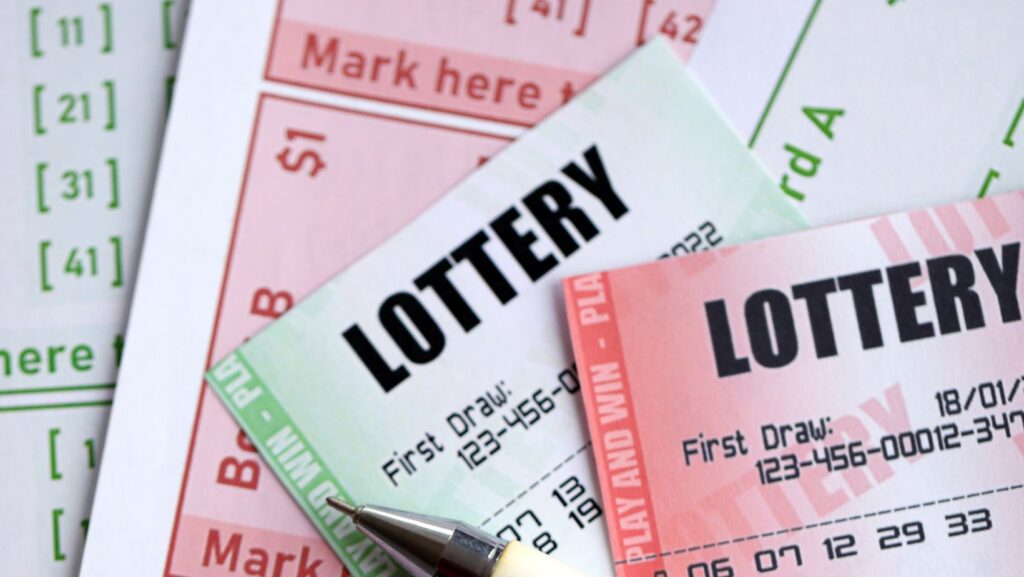
Local culture and media coverage also play their roles. When a big win is reported in a town, sales in nearby shops often rise in the following weeks. People are naturally drawn to the idea that their area might be “lucky,” even when every ticket has the same mathematical chance. Over time, this belief can shape real patterns in buying behaviour, making some towns appear more active than others.
Why is there a Regional Difference?
The reasons behind these regional contrasts are varied. Income levels often influence how much people can afford to play, but so do habits and outlooks. In many northern communities, the small weekly spend on a lottery ticket is viewed as a harmless pleasure rather than a risk. In contrast, some southern households may prefer to save or spend on other leisure activities. Age also matters, since middle-aged and older adults are more likely to play regularly, and some regions have higher proportions of those groups.
Retail access adds another factor. Areas with more local shops and community hubs often have higher sales, especially among players who still prefer to buy paper tickets. The average age of a lottery player is in the older generation, who may struggle with the online technology systems, so it is important to have physical access for this player base. Meanwhile, online play has made it easier for people in rural areas to join in.