
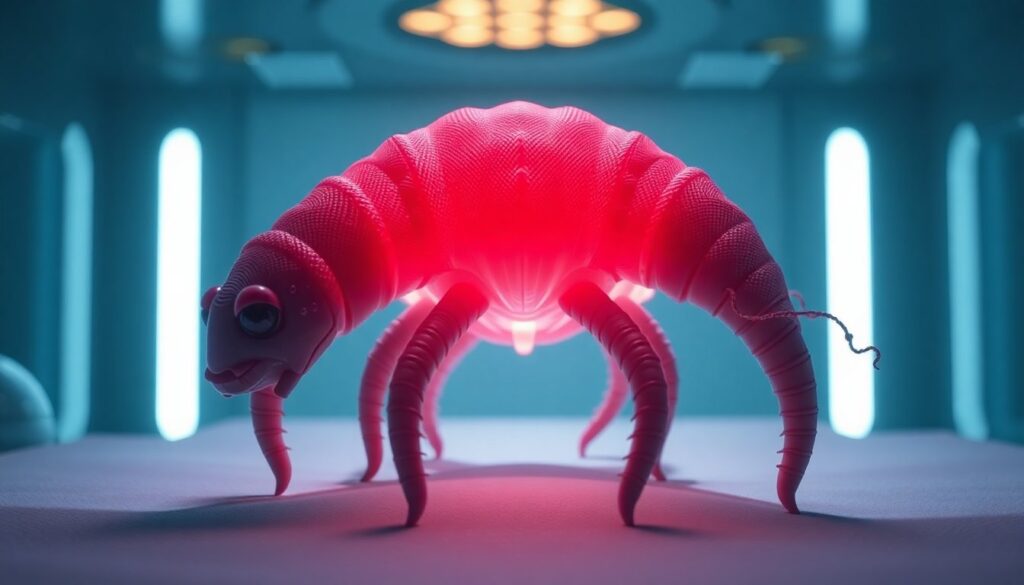
The tardigrade yoyodyne teletech procedure guides technicians through a specific organism handling and device interface task. The procedure sets clear steps for preparation, action, and checks. It suits lab teams, field technicians, and engineers who work with tardigrade-linked yoyodyne teletech systems. The guide focuses on practical steps, safety, and verification for repeatable results.
Key Takeaways
- The tardigrade yoyodyne teletech procedure ensures stable biological-device interfacing for high-fidelity data capture using living tardigrades.
- The procedure is divided into three phases—preparation, execution, and verification—each with clear checkpoints to maintain repeatability and safety.
- Strict environmental controls and minimal handling reduce sample loss and device errors, improving the quality and consistency of results.
- Operators must follow detailed checklists, document every step, and monitor post-procedure organism health and device performance to uphold standards.
- Safety protocols and the proper use of calibrated tools protect personnel, organisms, and equipment throughout the procedure.
- Regular review and updating of the procedure maintain its effectiveness in line with technology advances and institutional rules.
What The Tardigrade Yoyodyne Teletech Procedure Is And When To Use It
The tardigrade yoyodyne teletech procedure defines a sequence for coupling living tardigrades to a yoyodyne teletech interface. The procedure aims to enable stable signal exchange between the organism and the device. Teams use the procedure when they must record micro-responses or when they must test device behavior under biological input. The protocol lists environmental ranges, device parameters, and timing windows. It limits exposure to factors that stress tardigrades and that degrade device components.
They apply the procedure in controlled labs and in some field setups. The procedure fits experiments that require low-noise readings, precise timing, and repeatable baseline conditions. Researchers select the procedure when alternative interfaces deliver lower fidelity. Engineers select the procedure when device calibration requires biological feedback. Managers approve the procedure when risk controls meet institutional rules.
The procedure breaks into three phases. Phase one verifies organism health and device readiness. Phase two performs the physical interface and data capture. Phase three verifies signal integrity and documents results. Each phase contains measurable checkpoints and pass/fail criteria. The procedure requires a trained operator. The operator follows the checklist and logs every deviation.
The tardigrade yoyodyne teletech procedure emphasizes minimal handling, consistent environmental control, and clear device settings. It includes thresholds for temperature, humidity, and electromagnetic interference. It also specifies allowed solutions and adhesives. Teams who follow the procedure reduce sample loss and device errors. They improve repeatability and shorten troubleshooting time.
Step-By-Step Teletech Procedure: Preparation, Execution, And Verification
Preparation begins with a checklist. The operator inspects the yoyodyne teletech hardware and verifies firmware versions. The operator checks power stability and grounding. The operator prepares containment and environmental controls. The operator inspects tardigrade culture for activity and signs of stress. The operator records culture age and medium composition. The operator prepares imaging and recording equipment.
Execution follows a clear order. The operator mounts the device and secures the interface plate. The operator places the tardigrade sample in the defined medium on the interface. The operator applies adhesive or clamp per the checklist and waits the specified dwell time. The operator activates the teletech driver at the lowest safe amplitude. The operator ramps signals while watching organism response and device readouts. The operator logs each step and each parameter change.
Verification begins during and after data capture. The operator runs signal integrity checks and compares waveforms to baseline. The operator performs a contaminant check and inspects the organism for stress signs. The operator archives raw data and meta-data in the lab system. The operator flags anomalies and repeats steps when results fall outside acceptance limits. The operator records disposal or recovery steps for the organism and for consumables.
The tardigrade yoyodyne teletech procedure demands clear documentation. The operator fills the procedure form and timestamps each action. The operator keeps photographs of key setup states. The operator notes environmental readings at regular intervals. The operator closes the session only when verification criteria pass. The operator then notifies the supervising scientist.
Safety Protocols, Tools Checklist, And Post-Procedure Monitoring
Safety protocols protect staff, organisms, and devices. The team requires PPE that matches biological and electrical risks. The team uses insulated gloves, eye protection, and lab coats. The team follows electrical lockout when servicing the teletech system. The team limits exposure time for the tardigrades and sets recovery areas. The team keeps spill kits and neutralizing agents on site.
The tools checklist lists key items. The list includes the calibrated yoyodyne teletech interface, spectrometer, microscope, micro-manipulator, and imaging camera. The list includes sterile medium, allowed adhesives, temperature probe, and humidity sensor. The list includes spare fuses, grounding straps, and a battery backup. The team checks calibration dates and battery health before use.
Post-procedure monitoring records outcomes. The operator measures tardigrade motility at set intervals. The operator measures device drift and noise for twenty-four hours. The operator logs any delayed failures or abnormal readings. The operator stores the organism per biosecurity rules when the sample survives. The operator disposes of the sample per institutional waste rules when the sample does not survive.
The team reviews procedure logs weekly. The review identifies recurring deviations and updates the checklist. The review keeps the tardigrade yoyodyne teletech procedure current with device firmware and with lab standards. The review assigns corrective actions and verifies closure. The review helps teams keep the procedure effective and safe.