
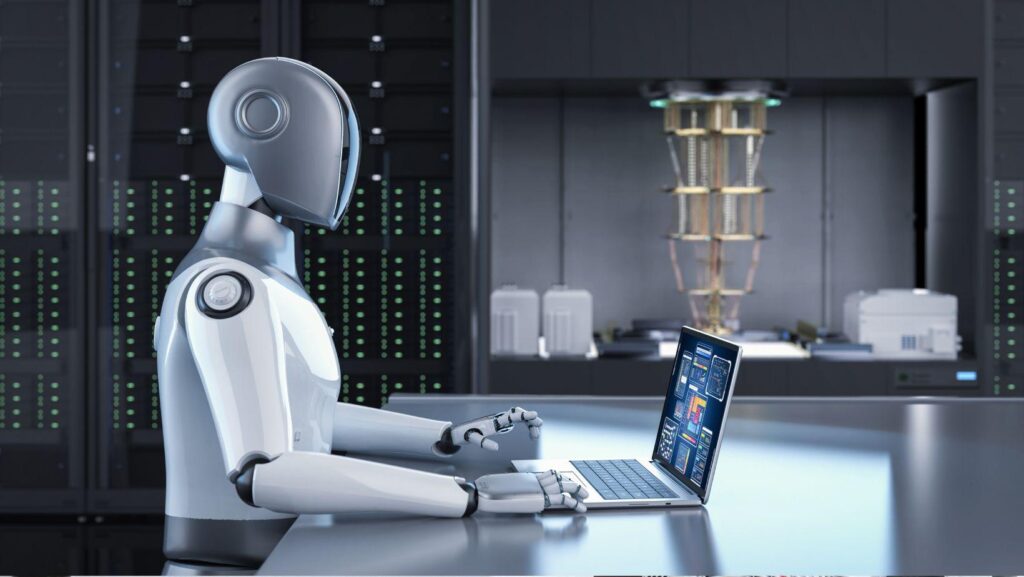
When people hear the phrase “Tech for Good,” they often think of renewable energy, telemedicine, accessibility software, or humanitarian innovation. These technologies solve visible problems with measurable outcomes.
Yet another area of technology is quietly creating social value in a different way—by helping people better understand how they think, learn, and solve problems.
As digital tools become more accessible, cognitive development is no longer limited to classrooms, research laboratories, or professional training programs. Today, millions of people can explore reasoning, memory, attention, and problem-solving through online platforms designed to encourage lifelong learning.
This evolution raises an interesting question:
Can technology that helps people understand their own minds also create positive social impact?
The Next Digital Divide Is Cognitive
For many years, digital inclusion focused on internet access.
Then attention shifted toward digital literacy.
Today, another challenge is emerging.
People increasingly need to know how to:
- Evaluate information critically.
- Recognize misinformation.
- Solve unfamiliar problems.
- Learn continuously.
- Adapt to AI-powered workplaces.
- Make thoughtful decisions in information-rich environments.
These are cognitive skills rather than technical skills.
Technology that supports their development may therefore contribute to broader social resilience.
Intelligence Is More Than Academic Performance
Many people associate cognitive ability exclusively with education.
Modern perspectives are broader.
Daily life regularly depends on mental skills such as:
|
Cognitive Ability |
Everyday Example |
|
Logical reasoning |
Comparing financial options |
|
Working memory |
Managing multiple responsibilities |
|
Pattern recognition |
Detecting online scams |
|
Critical thinking |
Evaluating news sources |
|
Cognitive flexibility |
Adapting to unexpected situations |
|
Sustained attention |
Learning new digital tools |
Strengthening these abilities benefits individuals regardless of profession or educational background.
Digital Platforms Are Democratizing Cognitive Learning
Historically, cognitive assessments and structured mental exercises were often limited to educational institutions or specialized settings.
Today, online platforms have dramatically expanded access.
People can explore:
- Memory exercises.
- Logical reasoning challenges.
- Pattern recognition tasks.
- Problem-solving activities.
- Self-assessment tools.
This accessibility supports a broader movement toward lifelong learning and personal development.
Rather than treating learning as something that ends with graduation, digital technology encourages continuous intellectual engagement throughout adulthood.
Technology That Encourages Reflection
Not every digital platform aims to maximize screen time.
Some encourage users to slow down, reflect, and better understand their own thinking.
One example is MyIQ, an online platform that combines IQ assessments with exercises intended to help users explore reasoning, analytical thinking, memory, and other cognitive abilities. Rather than positioning intelligence as a fixed characteristic, the platform promotes the idea that understanding how we think can become part of an ongoing learning journey.
This approach aligns with a growing interest in using technology not only for productivity but also for self-awareness and continuous development.
Why Self-Awareness Matters in the AI Era
Artificial intelligence has made information more accessible than ever.
However, information alone does not guarantee better decisions.
People increasingly need to ask questions such as:
- Is this information reliable?
- What assumptions am I making?
- Have I considered alternative explanations?
- What evidence supports this conclusion?
These habits require cognitive engagement rather than automated answers.
As AI becomes more capable, technologies that encourage critical thinking and self-reflection may become increasingly valuable complements to AI-powered tools.
Measuring Progress Beyond Scores
One common misconception is that cognitive assessment is only about obtaining a number.
Increasingly, users view assessment differently.
Many people use cognitive tools to:
This perspective transforms assessment from a destination into part of a broader development process.
Community Conversations Build Transparency
People interested in educational technology often look beyond official product descriptions.
Independent communities provide valuable context because users openly discuss their experiences.
For example, Reddit contains conversations where individuals share both positive impressions and practical considerations after trying digital cognitive platforms.
One discussion about MyIQ illustrates this balance. Participants describe their experiences with the platform while also discussing aspects such as subscriptions and expectations. Reading community feedback alongside official information helps prospective users develop a more complete understanding before deciding whether a platform fits their needs.
Technology Should Strengthen Human Capabilities
The most meaningful technologies rarely replace people.
Instead, they expand human potential.
Consider how different digital innovations contribute to society:
|
Technology |
Human Capability Supported |
|
Accessibility software |
Inclusion |
|
Language learning apps |
Communication |
|
Health monitoring devices |
Preventive care |
|
Educational platforms |
Knowledge acquisition |
|
Cognitive development tools |
Reasoning and lifelong learning |
This perspective shifts attention away from technology itself and toward the people who ultimately benefit from it.
Responsible Design Is Essential
Technology designed for personal development also carries responsibilities.
Platforms that encourage cognitive assessment should:
- Present results clearly and responsibly.
- Avoid overstating what assessments can measure.
- Encourage continued learning rather than fixed labels.
- Respect user privacy.
- Promote realistic expectations.
Likewise, users should remember that no single assessment can fully capture intelligence, creativity, emotional understanding, or future potential.
Digital tools work best when they complement education, experience, and continuous practice rather than replacing them.
Conclusion
The future of Tech for Good extends beyond solving physical or logistical challenges. It also includes technologies that help people develop the mental skills needed to navigate an increasingly complex world.
By making cognitive assessments and mental exercises more widely accessible, platforms such as MyIQ contribute to a broader culture of lifelong learning and self-awareness. While they are only one piece of the personal development landscape, they illustrate how digital innovation can encourage people to reflect, learn, and continue strengthening the abilities that support better decisions throughout life.
Ultimately, some of the most meaningful technological advances may not change the world directly—they may first change the way people think about themselves, their potential, and their capacity to keep learning.