
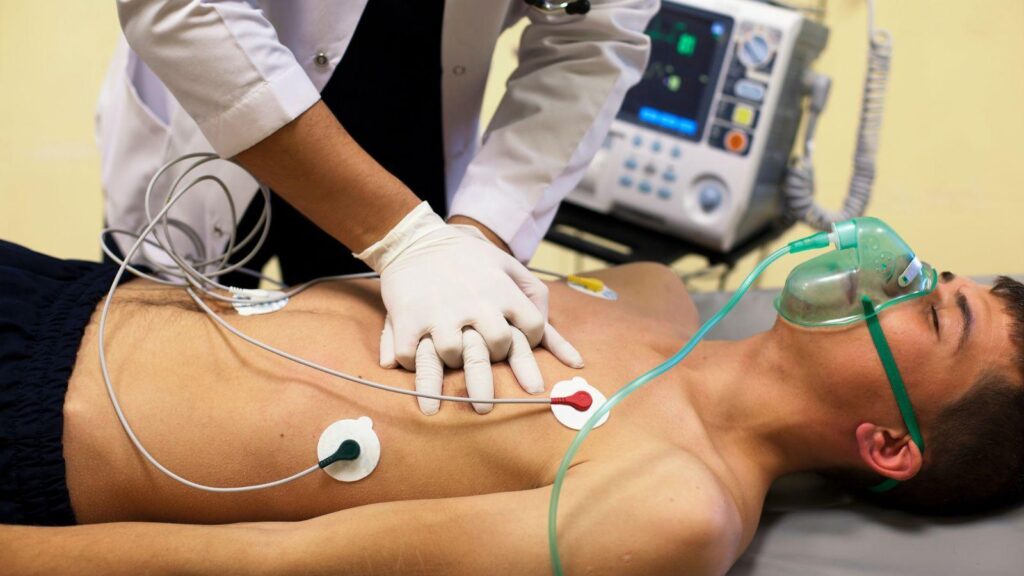
Cardiovascular emergencies can happen to anyone at any time, requiring immediate bystander intervention before medical professionals arrive. Enrolling in a certified training program builds the practical muscle memory and personal confidence needed to perform high-quality chest compressions and save lives when every second counts.
We like to think we are ready for anything, but a sudden medical emergency has a way of turning our brains to absolute mush. Imagine a coworker or a family member suddenly freezing up, clutching their chest, and collapsing to the ground. Your heart races and panic sets in immediately. Would you know what to do next? Signing up for comprehensive CPR training Calgary ensures you do not just stand there feeling helpless when someone’s life is on the line.
Why is Bystander Action So Critical?
When someone goes into cardiac arrest, their heart stops pumping blood to their brain and vital organs. Every single minute that passes without help drops their survival rate by about ten percent. Paramedics are fast, but they cannot beat a bystander who is already on the scene.
Performing chest compressions keeps oxygen flowing through the body manually. It is a simple concept, but it is grueling work that keeps someone alive until advanced help arrives. You are essentially acting as their external heartbeat.
What is Blended Learning and How Does It Help?
Many people put off getting certified because they assume they have to spend a whole weekend trapped inside a stuffy classroom. Thankfully, modern training methods are way more flexible than they used to be. Blended learning splits the course into two manageable chunks.
First, you complete all the theoretical material and knowledge modules online at your own speed. You can do it late at night or during your lunch break. Once you finish that, you just show up for a shorter in-person session focused entirely on practicing with the mannequins.
How Do You Use an AED Safely?
An Automated External Defibrillator might look intimidating with its buttons and wires, but it is built for ordinary citizens. Modern AED units actually talk to you out loud, giving you clear, step-by-step vocal instructions.
The machine tells you exactly where to place the sticky pads on the victim’s chest. It measures the heart rhythm automatically and will only deliver a shock if the person actually needs it. You cannot accidentally shock someone who does not require it.
If you are looking for first aid training near Capitol Hill, Crowchild Trail NW, or other areas close to our facility, then you may reach out to Coast2Coast First Aid/CPR – Calgary in that area. For more info and articles like this visit: Click here
What Are the Most Common FAQs About CPR?
Can I get sued for performing CPR on someone?
No, you are fully protected under Good Samaritan laws as long as you act in good faith and within the scope of your training. These laws exist to encourage people to help without fear of legal trouble.
What is the correct rate for chest compressions?
You should aim for a speed of 100 to 120 compressions per minute. A trick instructors love to teach is humming the beat of the classic song “Stayin’ Alive” to keep the right rhythm.
What is the main difference between CPR Level C and BLS?
Level C covers standard rescue techniques for adults, children, and infants for the general public. Basic Life Support is tailored specifically for healthcare professionals and team-based clinical environments.
Do I have to give mouth-to-mouth rescue breaths?
If you are uncomfortable or do not have a barrier mask, hands-only CPR is perfectly acceptable and highly effective. Continuous chest compressions are much better than doing nothing at all.
How often do I need to recertify my skills?
Most regulatory bodies and employers require you to refresh your certification every three years, though taking an annual refresher is highly recommended to keep your memory sharp.