
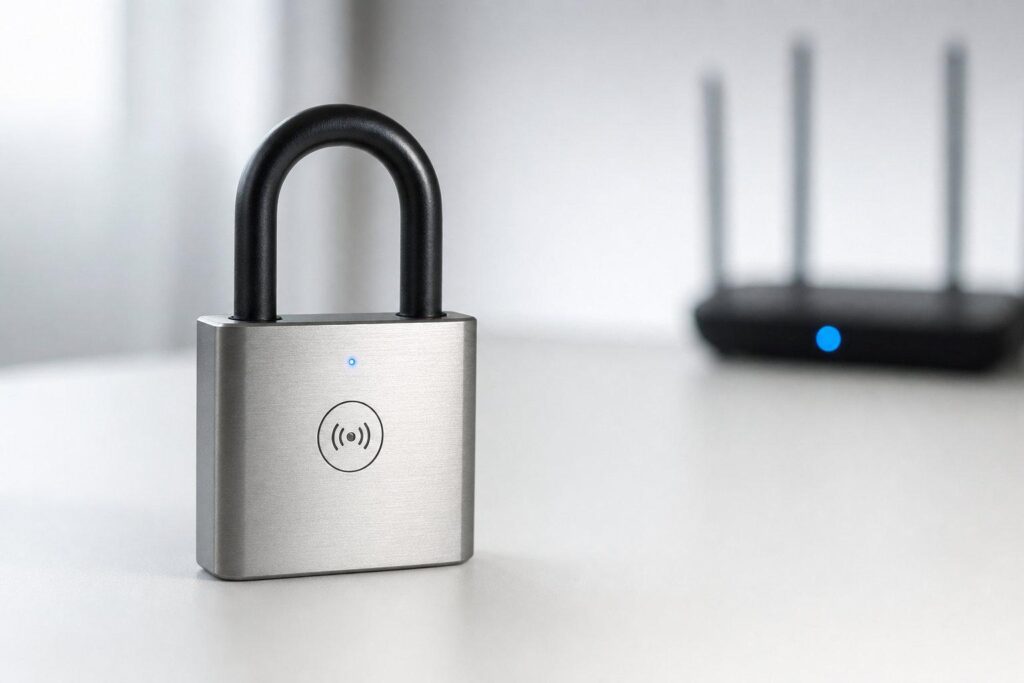
Connected technology is transforming familiar security devices, making them smarter and more versatile for daily life. Users now expect features such as remote access, shared controls, and digital audit trails from their locks and hardware. As these changes accelerate, they introduce both convenience and new responsibilities for security and privacy.
Rising demand for mobile-first solutions is changing how you interact with security hardware at home and work. Padlocks, which were once simple mechanical barriers, now include digital capabilities and can integrate with connected environments. This development shows a move towards combining physical devices with software, driven by your need for convenience and better control over access. As daily routines become tied to digital platforms, the balance between security and usability grows more complex and significant for everyone.
Connectivity reshapes traditional locking mechanisms
Modern expectations for locks are changing as electronic and digital elements are integrated into familiar hardware. Mechanical designs once limited access to those with a physical key or combination, offering reliability but little flexibility for sharing or monitoring use. The introduction of connected features adds new capabilities, including sensors, wireless protocols, and companion software.
With a connected lock, you might use a smartphone app, receive access notifications, or share virtual keys. These devices require consistent electrical power, usually from batteries, while firmware and network components interact with cloud services or local hubs. Intelligent features create ongoing software update needs, making support and device lifecycle important to performance and reliability.
Expanding access and monitoring through connectivity
A key advantage of internet-enabled locks is the ability to manage access remotely and monitor usage in real time. Authorised users can be added or removed at any moment, supporting temporary permissions for guests, contractors, or deliveries. Activity logs and audit trails show who accessed a lock and when, providing transparency that is harder to achieve with traditional keys.
Temporary unlock codes, Bluetooth and Wi-Fi connections, and multi-user management combine physical security with oversight. Integration with wider security systems, such as linking locks to alarms or shared facilities, offers greater situational awareness. This reflects new expectations around privacy and accountability for personal and shared spaces. Padlocks, previously only a static barrier, now form part of a dynamic, data-driven security network.
Cyber-physical risks and the need for thoughtful design
Adding connectivity brings new risks because cyber threats can be as significant as physical attacks. Weak credentials, unencrypted data, insecure wireless protocols, and cloud dependency are all potential vulnerabilities. Attackers may exploit poorly secured systems by stealing credentials, replaying data, or taking advantage of flaws in remote management features.
Physical security remains key, as mechanical strength still deters opportunistic crime. Manufacturers must balance digital and physical risks when designing locks. Transparent update policies, responsible disclosure programmes, and secure onboarding help address evolving threats. In your daily life, awareness of these risks shapes your choices and how you configure locking devices for homes, storage, or access to shared assets.
Balancing privacy, reliability, and everyday usability
Data generated by connected locks can include records such as access times, user identities, and sometimes location signals. This raises concerns about surveillance and data misuse. Data minimisation and options for local storage can reduce exposure and help maintain user trust. Clear policies about what information is collected and how long it is kept support informed use of these devices.
Reliability is also essential in connected locks. Battery failures, poor connectivity, or app outages can block access at important moments. Backup entry methods, such as mechanical keys or keypad overrides, provide necessary fallback if problems occur. Choosing the right feature mix, whether for private or shared environments, depends on the need for accountability, convenience, and dependability in real-world situations.
Security standards and responsible lifecycle management guide the creation of trustworthy hardware. Encryption, secure firmware updates, and compatibility with other protective systems underpin confidence in products made for today’s connected world. As connected locks and familiar devices evolve, practical considerations about risk, privacy, and everyday habits will continue to shape how these technologies are used and trusted.